

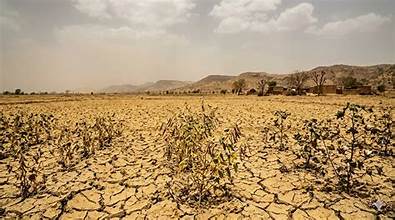
India is experiencing its weakest monsoon in more than a decade, raising fresh concerns about agricultural production, water availability, and food inflation. Although significant investments in irrigation infrastructure over recent years have improved the sector’s resilience, experts warn that prolonged heatwaves and below-normal rainfall could still impact crop yields across several regions of the country.
The southwest monsoon, which provides nearly 70 percent of India’s annual rainfall, plays a crucial role in supporting agriculture, the primary source of livelihood for millions of farmers. A weaker-than-normal monsoon can reduce soil moisture, lower reservoir levels, and increase dependence on groundwater, creating challenges for both crop cultivation and rural economies.
Agricultural scientists note that the impact is likely to vary across crops. While irrigated areas may be able to withstand short-term rainfall deficits, crops dependent on natural precipitation remain vulnerable. Fruits and vegetables are expected to face the greatest risk because of their sensitivity to high temperatures and moisture stress. Reduced production of these commodities could lead to supply shortages and higher market prices in the coming months.
Farmers in several states are already reporting delayed sowing activities and concerns about water availability. Extended dry spells during critical crop growth stages can adversely affect plant development, reduce yields, and increase pest and disease pressures. Horticultural crops, in particular, may suffer quality losses if heat stress continues.
Despite these challenges, India is better prepared than in previous drought years. Over the past decade, the government has expanded irrigation coverage through major infrastructure projects, micro-irrigation programs, and water conservation initiatives. These efforts have increased the availability of water for agricultural use and reduced dependence on rainfall in many farming regions.
Experts believe that improved irrigation networks will help protect key food grain crops such as rice and wheat from severe losses. However, they caution that irrigation alone cannot fully offset the effects of prolonged heatwaves and persistent rainfall deficits. Rising temperatures can reduce crop productivity, increase water demand, and affect livestock health and dairy production.
Economists are also closely monitoring the potential impact on food inflation. Fruits and vegetables contribute significantly to household food expenditure, and any decline in production could push retail prices higher. The government may need to take market management measures if supply disruptions become severe.
Agricultural departments and meteorological agencies are advising farmers to adopt water-saving practices, use drought-tolerant crop varieties, and follow weather-based advisories to minimize risks. Efficient irrigation methods such as drip and sprinkler systems are being promoted to optimize water use during the current season.
The performance of the monsoon during the coming weeks will be critical for determining the overall outlook for India’s agricultural sector. Timely rainfall in key crop-growing regions could still improve prospects for the kharif season, while continued deficits may increase pressure on farmers and food supply chains.
As climate variability and extreme weather events become more frequent, the current monsoon situation highlights the growing importance of climate-resilient agriculture. While strengthened irrigation infrastructure provides an important safeguard, experts stress that long-term adaptation strategies will be essential to ensure sustainable agricultural growth and food security in the years ahead.


 By
By











