

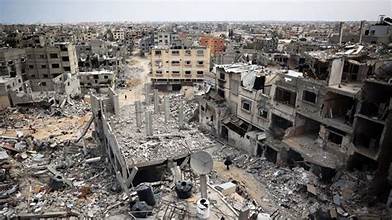
Growing tensions and ongoing conflict in the Middle East are creating fresh challenges for global food security, with experts warning that disruptions to agricultural supply chains, rising energy prices, and increasing uncertainty in commodity markets could affect food production and availability worldwide.
The Middle East is a strategically important region for global trade, energy supplies, and agricultural input markets. Escalating geopolitical instability has raised concerns about the movement of essential commodities, including fuel, fertilizers, animal feed, and food products. Any prolonged disruption to trade routes could have far-reaching consequences for both food-importing and food-exporting nations.
One of the most immediate impacts of the conflict has been upward pressure on energy prices. Higher fuel costs increase expenses across the agricultural value chain, from farm operations and irrigation to transportation, processing, and distribution. Farmers in many countries are already facing rising production costs as diesel, electricity, and logistics expenses continue to climb.
The conflict is also affecting fertilizer markets, which are closely linked to energy supplies. Fertilizer production depends heavily on natural gas and other energy sources, meaning any disruption in energy markets can lead to higher fertilizer prices and supply uncertainties. Increased fertilizer costs may discourage optimal application rates, potentially affecting crop yields in major agricultural regions.
Food security specialists warn that vulnerable countries dependent on food imports are particularly exposed to these developments. Higher shipping costs and supply chain disruptions can make staple foods more expensive, increasing the risk of food inflation and reducing access to affordable nutrition for millions of people.
Water security is another area of concern. Several countries in the Middle East already face severe water scarcity, and conflict-related damage to infrastructure can further limit access to water for agriculture and domestic use. Reduced water availability threatens crop production, livestock farming, and the overall resilience of rural communities.
Global agricultural markets are also becoming increasingly sensitive to geopolitical risks. Combined with climate-related challenges such as droughts, heatwaves, and the developing El Niño phenomenon, the Middle East conflict is adding another layer of uncertainty to an already fragile food system.
International organizations are urging governments to maintain open trade channels and avoid export restrictions that could worsen market instability. Experience from previous crises has shown that trade barriers and supply disruptions often contribute to higher food prices and increased volatility in global markets.
Experts emphasize that strengthening food system resilience will require coordinated international action. Investments in sustainable agriculture, diversified supply chains, strategic food reserves, water-efficient technologies, and climate-smart farming practices are seen as critical measures for reducing future risks.
Despite the current challenges, global grain stocks remain relatively strong, helping to cushion markets against immediate supply shocks. However, analysts caution that continued geopolitical tensions, combined with climate and economic pressures, could place additional strain on food systems in the months ahead.
As governments, international agencies, and agricultural stakeholders monitor developments closely, the situation highlights the growing interconnectedness of food, energy, and water security. Ensuring stable supplies of agricultural inputs and maintaining efficient trade networks will be essential to protecting global food security in an increasingly uncertain geopolitical environment.


 By
By











