

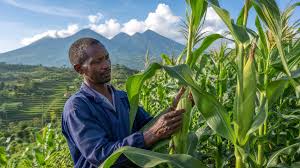
Rwanda is moving closer to the commercial approval of its first biotechnology-based crop varieties, marking a significant milestone in the country’s agricultural development strategy. Following several years of research and field testing, authorities are evaluating biotech varieties of cassava, maize, and potatoes that have demonstrated promising results in improving productivity, pest resistance, and climate resilience.
The development comes as Rwanda seeks innovative solutions to address food security challenges, increase farm productivity, and strengthen the agricultural sector against the growing impacts of climate change. Researchers and policymakers believe biotechnology could play an important role in helping farmers achieve higher yields while reducing crop losses caused by diseases and environmental stresses.
According to agricultural scientists involved in the trials, the biotechnology-based crops have performed well under local growing conditions. Field evaluations showed improvements in disease resistance, crop vigor, and overall productivity compared to conventional varieties. The results have encouraged regulators to move forward with the approval process, which could pave the way for commercial cultivation in the near future.
Cassava is among the priority crops being considered for commercialization. The crop serves as a staple food for millions of people in Rwanda and across East Africa. However, diseases such as cassava brown streak disease and cassava mosaic disease have significantly affected production in recent years. Scientists believe biotech varieties can help reduce these losses and improve food availability for farming communities.
Maize, another key staple crop, is also expected to benefit from biotechnology. Researchers are focusing on traits that improve resistance to pests and environmental stresses, helping farmers maintain production even under challenging conditions. Enhanced maize varieties could contribute to higher yields and greater stability in national food supplies.
Potatoes, which are widely cultivated in Rwanda’s highland regions, are also being evaluated for biotech improvements. Experts say disease-resistant potato varieties could reduce dependence on chemical crop protection products while increasing productivity and profitability for farmers.
Supporters of agricultural biotechnology argue that modern crop breeding technologies can help countries address some of the most pressing challenges facing agriculture, including climate change, land degradation, emerging pests, and rising food demand. They note that biotech crops have already been adopted in several countries around the world with positive impacts on productivity and farm incomes.
However, the approval process remains subject to regulatory review and biosafety assessments. Government agencies are carefully evaluating scientific data from field trials to ensure that the proposed varieties meet national safety, environmental, and agricultural standards. Public awareness and stakeholder consultations are also expected to play an important role in the decision-making process.
Agricultural experts emphasize that biotechnology should be viewed as one tool among many available to improve farming systems. Investments in quality seeds, irrigation, extension services, and climate-smart farming practices will continue to be essential for long-term agricultural development.
If approved, the new biotech varieties could represent a major step forward for Rwanda’s agricultural sector, offering farmers access to advanced crop technologies designed to improve resilience and productivity. As the country moves closer to commercialization, stakeholders across the agricultural value chain are closely watching what could become a transformative moment for Rwanda’s food production future.


 By
By











