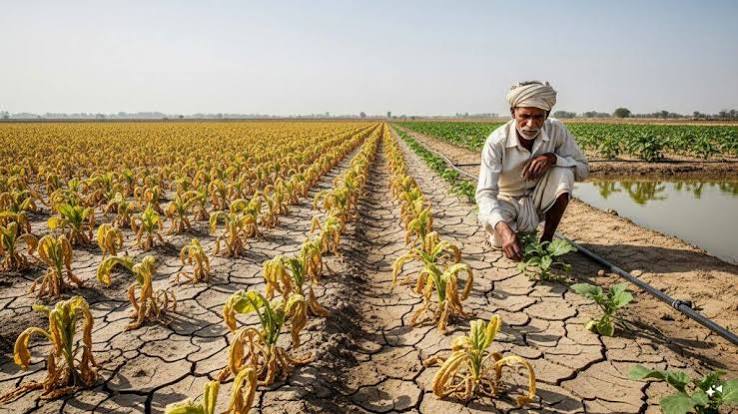
Agricultural authorities in the Philippines have raised concerns over the increasing spread of brown spot disease in rice-growing areas of the Western Visayas region, warning that the fungal disease continues to be the most widespread threat to paddy cultivation. Farmers have been advised to intensify field monitoring and adopt timely crop management practices to prevent significant yield losses during the current growing season.
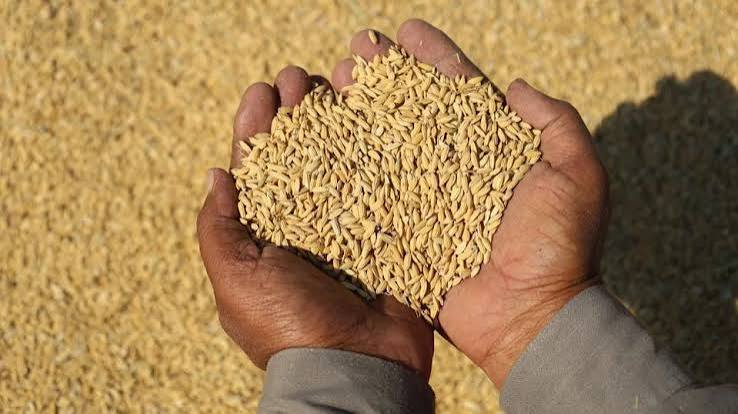
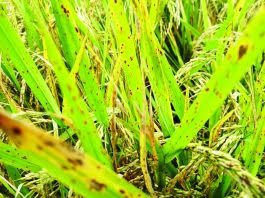
Brown spot disease, caused by the fungus Bipolaris oryzae, affects rice plants at different stages of growth and is known to reduce both grain quality and productivity. The disease typically appears as small brown lesions on leaves, which gradually enlarge and merge, weakening the plant’s ability to carry out photosynthesis. In severe cases, the infection can spread to grains, leading to poor grain filling, lower market value, and reduced harvests.
Officials from the regional agriculture department have identified brown spot as the most common rice disease currently affecting farms across Western Visayas. The combination of favorable weather conditions, high humidity, and inconsistent crop management has contributed to the continued spread of the disease in several rice-producing communities.
Agricultural experts explain that brown spot becomes more severe when rice plants are under stress due to nutrient deficiencies, poor soil fertility, drought, or inadequate crop management. Fields lacking balanced fertilization, particularly those deficient in potassium and nitrogen, are often more vulnerable to infection. The disease can also survive on infected crop residues and contaminated seeds, allowing it to spread from one season to the next if preventive measures are not taken.
To reduce crop losses, authorities are urging farmers to inspect their fields regularly for early signs of infection. Timely identification allows growers to implement disease management strategies before the fungus spreads extensively across the field. Farmers are also encouraged to use certified disease-free seeds, maintain proper plant spacing to improve air circulation, and apply balanced fertilizers to strengthen plant health.
Where disease pressure becomes severe, agricultural extension officers recommend the careful use of approved fungicides in accordance with local guidelines. However, experts emphasize that chemical control should be integrated with good agricultural practices rather than relied upon as the sole solution. Proper water management, removal of infected plant debris after harvest, and crop rotation where feasible can further reduce the survival of the pathogen in the field.
The Department of Agriculture is continuing to work closely with local government units and extension personnel to provide technical guidance, field surveillance, and farmer training programs aimed at limiting the spread of the disease. Regular advisory bulletins are also being issued to help farmers make timely decisions based on disease development and weather conditions.
Rice remains the Philippines’ most important staple crop, making disease management a national priority. Any significant reduction in rice production could affect farmer incomes and local food supplies, particularly in regions heavily dependent on paddy cultivation.
Agricultural scientists note that integrated disease management, improved farm hygiene, and the adoption of resilient rice varieties will be essential for minimizing the long-term impact of brown spot disease. As the growing season progresses, authorities are encouraging farmers to remain vigilant, follow expert recommendations, and report severe outbreaks promptly so that appropriate control measures can be implemented before the disease spreads further.


 By
By