

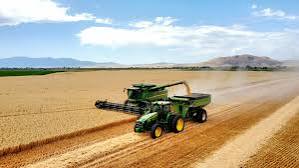
The United States Department of Agriculture (USDA) has projected that U.S. wheat production in 2026 will fall to its lowest level since 1970, highlighting growing concerns over tightening global wheat supplies and rising uncertainty in international grain markets. The latest USDA Crop Production Report attributes the sharp decline primarily to adverse weather conditions and reduced planted acreage, both of which have significantly affected production prospects across key wheat-growing regions.
As one of the world’s leading wheat exporters, the United States plays a crucial role in global food security. A substantial decline in U.S. wheat output could have far-reaching implications for international grain trade, food prices, and importing nations that depend on American wheat supplies.
Weather Conditions Weigh on Crop Prospects
According to the USDA, unfavorable weather has been one of the major factors behind the lower production forecast. Several wheat-producing states have experienced prolonged drought, excessive heat, and inconsistent rainfall during critical stages of crop development.
Dry conditions reduced soil moisture needed for seed germination and early plant growth, while heat stress during grain filling affected yield potential. In some regions, unexpected storms and heavy rainfall also disrupted harvesting operations, increasing the risk of quality deterioration.
Agricultural experts note that wheat is particularly sensitive to weather fluctuations during flowering and grain development, making stable climatic conditions essential for achieving high yields.
Lower Planted Acreage Adds to Decline
In addition to weather-related challenges, reduced wheat acreage has contributed significantly to the lower production outlook. Many American farmers shifted land to alternative crops such as corn and soybeans in response to changing market conditions, production costs, and expected profitability.
Higher input costs, including fertilizers, fuel, machinery, and labor, have also influenced planting decisions. As a result, fewer acres were devoted to wheat cultivation during the 2026 growing season, further limiting total production.
The combination of reduced acreage and below-average yields has resulted in the USDA’s lowest production forecast in over 55 years.
Global Wheat Supply Faces Pressure
The USDA’s latest outlook has intensified concerns about global wheat availability. The United States remains one of the world’s largest wheat exporters, supplying grain to numerous countries across Asia, Africa, Latin America, and the Middle East.
Lower U.S. production could tighten exportable supplies at a time when several other major wheat-producing regions are also experiencing weather-related uncertainties. Reduced global availability may place additional pressure on international grain markets, potentially leading to higher prices and increased volatility.
Countries that rely heavily on imported wheat could face rising procurement costs, particularly if production challenges emerge simultaneously in other exporting nations.
Impact on Food Prices
Wheat is one of the world’s most important staple crops, serving as the primary ingredient for bread, pasta, noodles, flour, biscuits, and many processed food products. Any sustained reduction in global wheat supplies has the potential to influence retail food prices.
Economists warn that tighter wheat supplies may contribute to inflation across food markets, especially if demand remains strong. Livestock producers may also experience higher feed costs in regions where wheat is used as animal feed, adding further pressure on meat and dairy production costs.
Commodity markets are expected to closely monitor upcoming harvest data and export trends for signs of additional supply constraints.
Farmers Adapt to Changing Conditions
Despite the difficult production outlook, American farmers continue to adopt new technologies and climate-resilient farming practices to improve productivity. Precision agriculture, drought-tolerant wheat varieties, improved irrigation systems, and better soil management techniques are helping producers adapt to increasingly variable weather conditions.
Agricultural researchers are also working to develop wheat varieties that can better withstand drought, heat stress, and emerging plant diseases, supporting long-term resilience in grain production.
Experts believe that continued investment in agricultural innovation will be essential as climate variability becomes a more frequent challenge for global crop production.
Outlook for Global Grain Markets
The USDA report has reinforced expectations of a tighter wheat market during the 2026–27 marketing year. Traders, millers, food manufacturers, and policymakers will closely monitor harvest progress in other major exporting countries to assess whether global supplies can offset the decline in U.S. production.
International organizations have emphasized the importance of maintaining stable grain trade, strengthening strategic food reserves, and supporting climate-resilient agriculture to reduce future supply risks.
While the lower U.S. wheat harvest is expected to create short-term market challenges, analysts note that coordinated efforts in research, sustainable farming, and international cooperation will play a key role in ensuring long-term food security.
The USDA’s latest forecast serves as a reminder of how weather extremes and changing agricultural dynamics can significantly influence global grain supplies. As farmers navigate increasingly unpredictable growing conditions, investments in resilient farming systems and improved crop management will be critical to sustaining wheat production and meeting future food demand.


 By
By











