

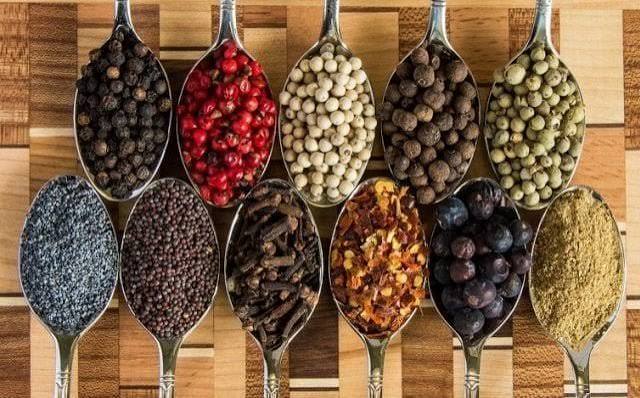
India has achieved a major milestone in global food standard-setting with the official adoption of Codex standards for Large Cardamom, Coriander, and Vanilla during the 49th Session of the Codex Alimentarius Commission (CAC49) held in Geneva from 6–10 July 2026. The development is expected to strengthen the global competitiveness of Indian spices by improving market access, harmonizing quality requirements, and boosting international trade.
In another significant achievement, India has also been appointed Co-Chair of the Electronic Working Group (EWG) on Risk Analysis for New Food Sources and Production Systems, underscoring the country’s growing leadership in international food safety and standards development.
Codex Standards Strengthen Global Trade
The Codex Alimentarius Commission (CAC), jointly established by the Food and Agriculture Organization (FAO) and the World Health Organization (WHO), develops internationally recognized food safety and quality standards. These science-based standards serve as global benchmarks for food trade and are widely used by countries to regulate food imports and exports.
The newly adopted standards for Large Cardamom, Coriander, and Vanilla are expected to create uniform quality specifications across international markets, reducing technical trade barriers and making it easier for exporters to comply with global requirements.
India’s Leadership in Global Spice Standardization
India plays a leading role in the global spice sector and hosts the Codex Committee on Spices and Culinary Herbs (CCSCH), one of Codex’s five commodity committees. The committee’s secretariat is managed by the Spices Board of India.
The standards for the three spices were finalized during the 8th Session of CCSCH, held in Guwahati in October 2025. They subsequently underwent technical review by the Codex Committee on Methods of Analysis and Sampling (CCMAS), the Codex Committee on Food Additives (CCFA), and the Codex Committee on Food Labelling (CCFL) before receiving final approval at CAC49.
Major Boost for Indian Spice Exports
The adoption of internationally harmonized standards is expected to significantly benefit Indian spice exporters by reducing the need to comply with different quality regulations across multiple markets.
Industry experts believe the move will increase global acceptance of Indian spices, strengthen buyer confidence, minimize trade disputes related to quality specifications, and improve export opportunities in both existing and emerging markets.
Historic Recognition for Large Cardamom
The inclusion of Large Cardamom in the Codex standards is particularly significant for India, as the crop is primarily cultivated in the Eastern Himalayan region, especially in Sikkim, Darjeeling, and the northeastern states.
With internationally accepted quality standards now in place, producers are expected to gain improved access to premium export markets, potentially increasing demand and ensuring better prices for thousands of farmers in the region.
Better Opportunities for Coriander Growers
India is among the world’s largest producers and exporters of Coriander, with major cultivation concentrated in Rajasthan, Madhya Pradesh, Gujarat, and several other states.
The new Codex standard will enhance international recognition of Indian coriander, making exports smoother while reducing quality-related trade disputes. It is also expected to help exporters access new international markets with greater ease.
Uniform Quality Standards for Vanilla
Although India continues to import a significant share of its Vanilla requirements, the adoption of a global Codex standard is considered an important development for the country’s spice sector.
Experts believe standardized international quality specifications will improve consumer confidence, facilitate smoother global trade, and encourage future expansion of vanilla cultivation within India.
India Takes on a Global Leadership Role
During the Commission meeting, the Codex Alimentarius Commission established a new Electronic Working Group (EWG) on Risk Analysis for New Food Sources and Production Systems, chaired by the European Union.
Recognizing India’s technical expertise, the Commission appointed the country as Co-Chair of the working group. The appointment reflects India’s growing influence not only in complying with global food standards but also in shaping future international food safety policies and regulatory frameworks.
Experts believe this role will provide India with greater opportunities to contribute to global decision-making on emerging food technologies, food safety assessments, and science-based regulatory standards.
New Opportunities for the Spice Industry and Farmers
India is the world’s largest producer, consumer, and one of the leading exporters of spices, supplying products to more than 180 countries and generating billions of dollars in export earnings annually.
The newly adopted Codex standards are expected to encourage higher-quality production, reduce technical barriers to trade, improve export competitiveness, and provide consumers worldwide with safer and standardized spice products.
For Indian farmers, particularly those cultivating Large Cardamom and Coriander, the harmonized standards are likely to translate into stronger international demand, better price realization, and improved market access. At the same time, India’s enhanced role in global food standard-setting reinforces its position as a leading voice in science-based agriculture, food safety, and international agricultural trade.


 By
By











