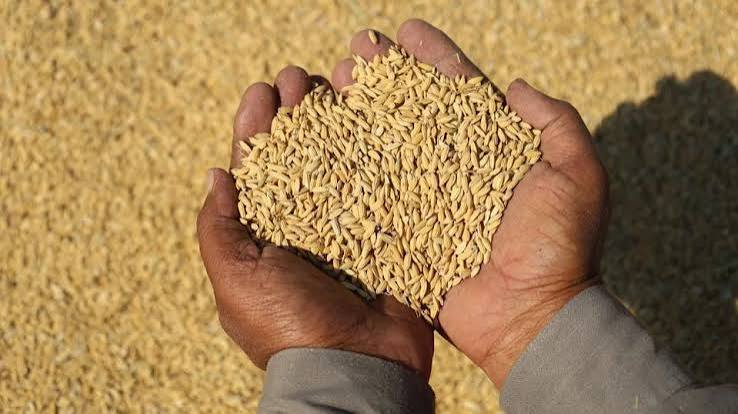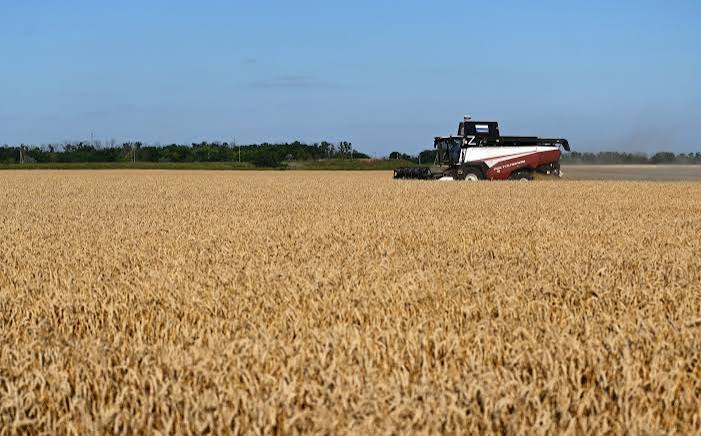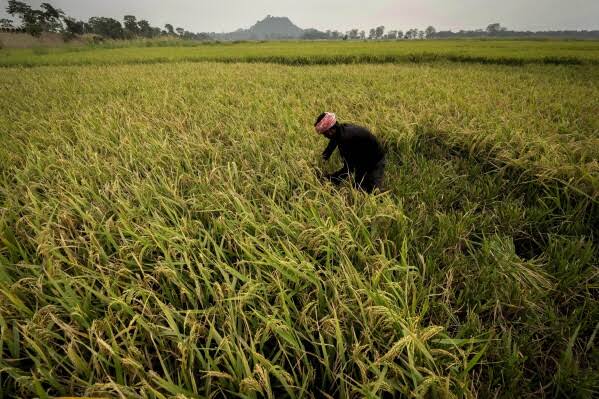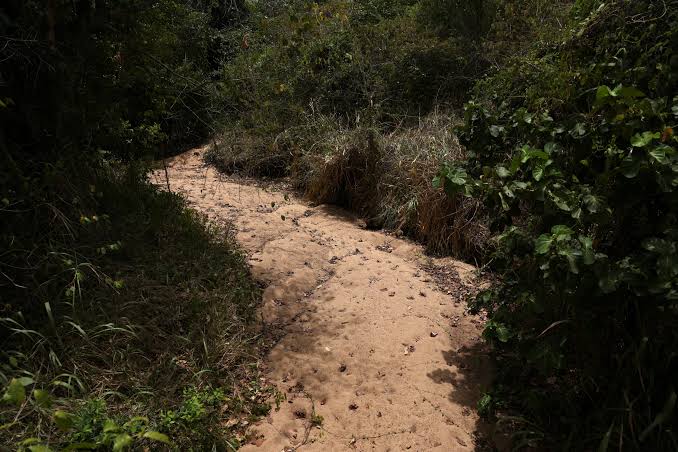
Sri Lanka is facing a serious drought situation as unusually dry conditions associated with the El Niño weather pattern put increasing pressure on farmers, livestock owners and rural communities. Several agricultural regions are experiencing exceptionally low rainfall, with some areas reportedly recording rainfall deficits approaching 100% compared with normal levels.
The prolonged lack of rain has created growing concerns for crop production and water availability across farming communities. Wells, rivers and irrigation tanks that normally provide essential water for agriculture are running low or drying up, leaving farmers with limited options to protect standing crops.
Water Shortages Threaten Agricultural Production
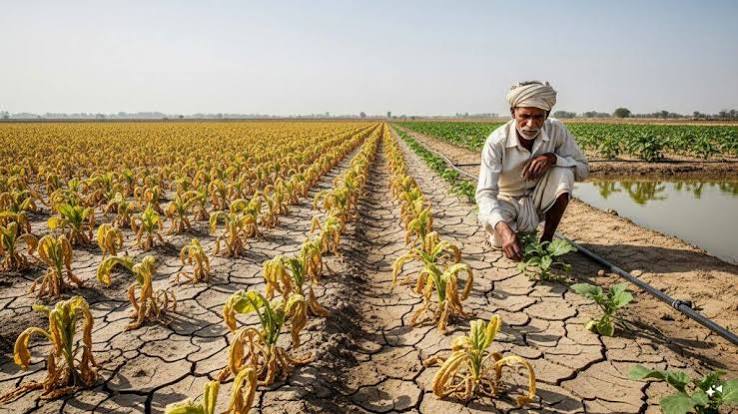
Agriculture in Sri Lanka depends heavily on seasonal rainfall and irrigation networks. When rainfall fails, farmers often rely on reservoirs, tanks and groundwater to maintain crops. However, continued dry weather has placed considerable stress on these sources.
Paddy cultivation is particularly vulnerable because rice requires a dependable supply of water during important stages of crop development. Farmers growing vegetables and other field crops are also facing difficulties as irrigation becomes increasingly expensive or unavailable.
The water shortage is not limited to crop farming. Livestock producers are also being affected as access to drinking water and natural grazing areas declines. Reduced availability of pasture and fodder could increase production costs for farmers and place additional pressure on household incomes.
Rural Livelihoods Under Pressure
For many farming families, agriculture provides both food and income. A poor harvest can therefore have consequences extending beyond the farm itself. Lower crop yields can reduce household earnings, while rising costs for irrigation, animal feed and other inputs can further weaken farmers’ financial position.
Small-scale producers are particularly exposed because they often have limited access to alternative water sources and financial resources. If drought conditions continue, some farmers may be forced to reduce cultivated acreage or delay planting until sufficient moisture becomes available.
Local agricultural markets could also feel the impact if production declines significantly. Lower supplies of rice, vegetables and other farm commodities may contribute to price volatility and increase pressure on consumers.
Climate Patterns Add to Uncertainty
El Niño is a naturally occurring climate phenomenon associated with changes in ocean temperatures in the Pacific and shifts in weather patterns across different parts of the world. Its influence can vary from region to region, but agricultural systems in areas affected by below-normal rainfall can face significant challenges.
Sri Lanka’s current conditions highlight the vulnerability of farming systems to extreme weather variability. Droughts can affect not only current production but also soil moisture, livestock health, water reserves and farmers’ ability to prepare for the next growing season.
Support and Water Management Become Critical
As dry conditions persist, timely support for affected farming communities could become increasingly important. Efficient water management, emergency irrigation assistance, drought-resistant crop varieties and access to agricultural advisories can help farmers reduce potential losses.
Longer-term investment in water storage, rainwater harvesting and climate-resilient farming practices may also help strengthen Sri Lanka’s agricultural sector against future weather shocks.
The worsening drought serves as a reminder that climate variability is becoming an important factor in agricultural planning. For Sri Lankan farmers, restoring reliable water supplies will be critical for protecting crops, livestock and rural livelihoods as the country navigates the ongoing dry conditions.

 By
By