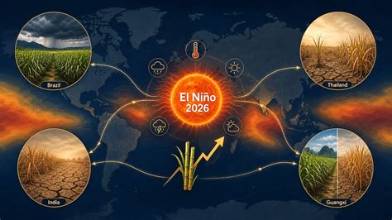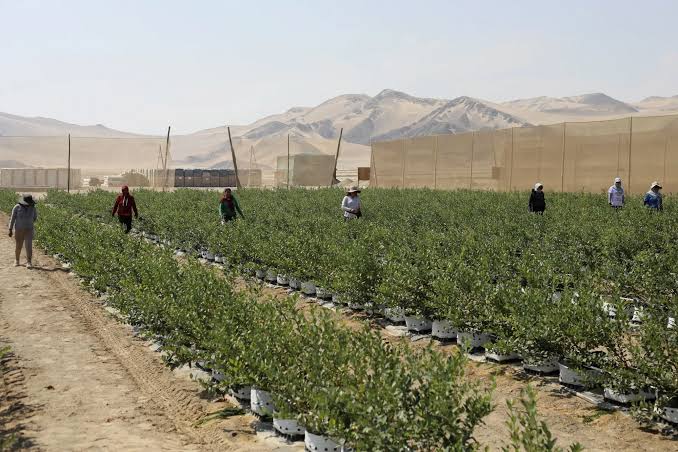
Global agriculture is facing growing uncertainty as a powerful El Niño event raises concerns about changing weather patterns, agricultural productivity and food security across several regions. Rising Pacific Ocean temperatures and the possibility of the phenomenon reaching its peak towards the end of 2026 have brought renewed attention to the potential impact on farming communities worldwide.
According to a report published by Le Monde on November 3, 2026, exceptionally high temperature indicators in the Pacific Ocean are highlighting the possibility of a significant El Niño event. Meteorologists and agricultural observers are closely monitoring the development because changes in ocean temperatures can influence rainfall distribution, temperature patterns and seasonal weather conditions across different continents.
El Niño is a naturally occurring climate phenomenon associated with the periodic warming of surface waters in the central and eastern tropical Pacific Ocean. It influences atmospheric circulation and can alter normal rainfall and temperature patterns, sometimes creating extreme weather conditions in distant parts of the world.
Southeast Asia and Southern Africa Face Drought Concerns
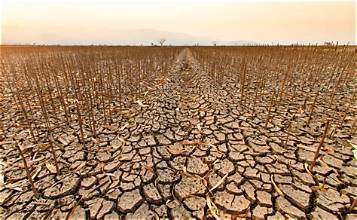
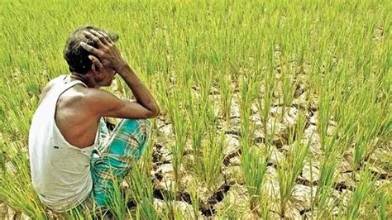
Parts of Southeast Asia and southern Africa could experience increased drought risks as the El Niño phenomenon develops. Reduced rainfall and higher temperatures can create difficult conditions for agricultural production, particularly in regions where farming depends heavily on seasonal rainfall.
In Southeast Asia, countries with significant rice, maize and other crop production could face challenges if rainfall becomes irregular or below normal. Water shortages may affect irrigation availability, crop establishment and overall agricultural productivity.
Southern African countries could also experience agricultural difficulties if prolonged dry conditions affect crop-growing regions. Reduced soil moisture and water availability may increase pressure on smallholder farmers, livestock producers and rural communities.
Flooding Risks in East Africa and South America
While some regions may experience drought, other areas could face increased rainfall and flooding risks. Parts of East Africa and South America are among the regions that may experience wetter conditions associated with El Niño-related climate patterns.
Excessive rainfall can damage standing crops, delay planting and harvesting operations, increase soil erosion and disrupt transportation networks. Flooding may also damage agricultural infrastructure, including irrigation systems, storage facilities and rural roads.
For farmers, the combination of drought in some regions and excessive rainfall in others creates additional uncertainty in agricultural planning and production.
Potential Impact on Global Food Security
Agricultural production is highly dependent on stable weather conditions. Major crops such as rice, maize, wheat and soybeans can be affected by changes in rainfall, temperature and soil moisture.
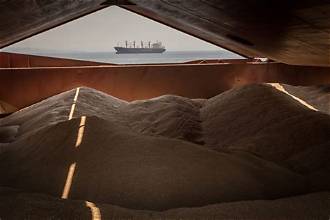
If adverse weather conditions occur simultaneously across important agricultural producing regions, global food supplies could face additional pressure. Lower production in some countries may increase demand for imports, influence international commodity prices and create challenges for food-importing economies.
Livestock production may also be affected through reduced pasture availability, higher feed costs and water shortages in drought-affected areas.
Climate Preparedness Becomes Increasingly Important
The developing El Niño situation highlights the importance of climate-resilient agriculture and effective weather monitoring. Farmers, governments and agricultural organisations need timely weather forecasts and region-specific advisories to prepare for changing conditions.
Measures such as efficient irrigation, rainwater harvesting, drought-tolerant crop varieties, improved drainage systems, crop diversification and climate-smart farming practices can help reduce potential agricultural losses.
Early warning systems and reliable climate information will also be essential for helping farmers make informed decisions about sowing dates, crop selection and water management.
As the possibility of El Niño reaching its peak towards the end of 2026 receives greater attention, its potential impact on agricultural production will remain an important issue for the global farming sector. The coming months will be critical in understanding how changing climate conditions could influence crop yields, food prices and agricultural trade in 2027.

 By