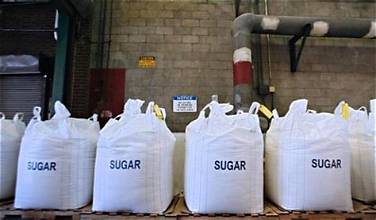
International sugar prices climbed sharply in September 2026 as concerns over production prospects in major growing regions raised expectations of tighter global supplies. The Food and Agriculture Organization of the United Nations (FAO) reported that its Sugar Price Index increased by 6.1% month-on-month, reaching 114.0 points, its highest level since April 2025. The index was also 14.7% higher than a year earlier.
The increase marked the third consecutive monthly rise in international sugar prices. Adverse weather, lower production expectations in Thailand, concerns about India’s sugarcane crop and reduced sugar-beet planting in the European Union contributed to the market’s upward movement. Heavy rainfall in Brazil’s key Centre-South growing region also affected harvesting progress, adding to uncertainty over near-term supplies.
These developments are important for sugarcane farmers, sugar mills, food manufacturers and importing countries, as changes in international prices can influence trading decisions, production planning and the cost of sugar-based products.
Thailand and India Face Production Uncertainty
Thailand and India are important contributors to global sugar production and trade. Any reduction in their expected output can influence international availability, particularly when other major producers are also facing weather-related challenges.
In Thailand, lower sugar production expectations have contributed to concerns about export availability during the 2026/27 season. Changes in rainfall and growing conditions can affect sugarcane development, crop recovery and the amount of cane available for processing.
In India, below-normal rainfall and strengthening El Niño conditions have raised concerns about sugarcane production prospects. Water availability is particularly important for sugarcane, a crop that requires substantial moisture throughout its growing cycle. The effects of irregular rainfall may vary across producing states depending on irrigation access, soil conditions and the timing of monsoon precipitation.
India’s domestic sugar market also remains important to global price formation because of the country’s large consumption requirements. In September, the government asked sugar mills to maintain adequate supplies and keep prices reasonable during the festival season. It also permitted duty-free sugar imports to help manage domestic availability.
Heavy Rainfall Disrupts Brazil’s Harvest
Brazil is another major influence on international sugar markets. The country’s sugar industry must balance sugar production with ethanol manufacturing, with mills adjusting the allocation of sugarcane according to market conditions and expected returns.
FAO identified heavy rainfall in Brazil’s Centre-South region as a factor contributing to higher international sugar prices in September. Adverse weather can slow harvesting, disrupt transportation and affect the volume of cane delivered to mills.
The consequences depend on the duration and intensity of rainfall, as well as subsequent weather conditions. A recovery in harvesting activity could improve near-term supplies, while prolonged disruptions may extend upward pressure on prices.
In the European Union, a smaller planted area and unfavorable growing conditions are expected to reduce sugar-beet production. This adds another source of uncertainty to the global supply outlook.
Impact on Farmers and Food Manufacturers
Higher international sugar prices can create opportunities for sugar producers, but the benefits are not uniform. Sugarcane farmers may receive better returns if higher market prices translate into improved cane prices or more favorable procurement terms from mills. However, increased fertilizer, fuel, irrigation and labor expenses can reduce the gains.
Sugar mills must also manage production costs, processing capacity and the competing economics of sugar and ethanol. Changes in energy prices and government policies can influence how much sugarcane is directed towards each product.
For food and beverage manufacturers, higher sugar prices can increase the cost of confectionery, bakery products, beverages and processed foods. Whether these additional expenses reach consumers depends on competition, inventories, contractual arrangements and companies’ pricing strategies.
Outlook for the Global Sugar Market
International sugar prices will continue to depend on harvest performance, weather conditions, export availability and the balance between sugar production and ethanol demand. Improvements in crop conditions or stronger-than-expected output could ease supply concerns, while further weather disruptions may sustain market volatility.
Conclusion: The September increase in international sugar prices highlights the sensitivity of agricultural commodity markets to weather and production risks. Monitoring crop conditions in India, Thailand, Brazil and the European Union will be essential for assessing future sugar supplies and their implications for farmers, processors and consumers.

 By