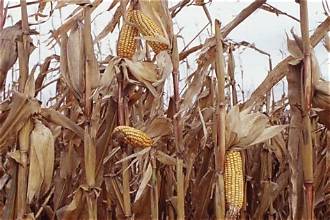
The US Department of Agriculture’s National Agricultural Statistics Service (NASS) announced on October 23 that it had corrected September 2026 corn estimates after identifying a processing error. The mistake affected plant population figures, ear counts, yield calculations and production estimates for Kansas and Nebraska. It also affected certain multi-state averages and national corn forecasts.
In a follow-up notice issued on October 24, USDA explained that incorrect acreage weights had been used to combine observations from irrigated and non-irrigated corn fields in the two states. The agency corrected the affected September figures in its Crop Production reports and Quick Stats database.
Importantly, USDA confirmed that its October 9 forecasts had been reviewed and validated and would remain unchanged. The correction therefore revises the historical September estimates rather than changing the agency’s latest October outlook.
Revised Figures for Kansas, Nebraska and the United States
The correction resulted in changes to estimated corn yields across the affected areas. Nebraska’s September yield estimate was raised from 177 to 182 bushels per acre, while Kansas’s estimate was revised downward from 121 to 119 bushels per acre. The national average yield estimate increased slightly, from 178.5 to 178.8 bushels per acre.
Although the national adjustment was relatively small, the state-level revisions attracted attention because of their implications for production calculations and comparisons between monthly reports.
The issue emerged after USDA’s October 9 crop report projected a larger US corn harvest than many market participants had anticipated. The report contributed to a decline in corn futures, prompting farmers, analysts and industry organizations to question the underlying estimates. The subsequent correction added further scrutiny to the reliability of the government’s agricultural statistics.
Why USDA Crop Reports Matter
USDA crop estimates are closely monitored by agricultural markets because they provide a common reference point for assessing production, supplies and potential demand. Farmers use these reports alongside local prices, production costs and their own yield expectations when deciding when to sell their crops.
Grain traders and commodity investors also use the data to evaluate market conditions. Larger production estimates can signal greater supplies and put downward pressure on futures prices, while smaller estimates may support prices if demand remains strong.
Exporters, livestock-feed manufacturers and international grain buyers rely on these forecasts to plan procurement, manage inventories and assess future availability. Consequently, errors in crop statistics can create uncertainty across the agricultural supply chain.
USDA Promises Additional Quality Checks
Following the correction, NASS said it would introduce additional checks before publishing future reports. These measures will include verification of acreage weights and validation of objective-yield calculations. The agency is also evaluating further improvements to its quality-control procedures.
Maintaining confidence in official agricultural data is particularly important when farmers face elevated fuel, fertilizer, financing and transportation costs. Reliable production estimates help market participants distinguish between genuine changes in crop conditions and revisions arising from statistical or processing issues.
Conclusion: USDA’s correction of its September corn estimates highlights the importance of accurate agricultural statistics in global commodity markets. Although the agency has confirmed that its October forecasts remain unchanged, the episode reinforces the need for transparent reporting, effective verification procedures and timely communication with farmers and market participants.


 By