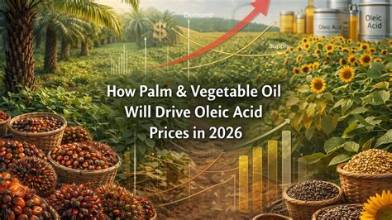
International vegetable oil prices increased in September 2026, supported by stronger palm oil prices and concerns about production conditions in Southeast Asia. The Food and Agriculture Organization of the United Nations (FAO) reported that its Vegetable Oil Price Index rose by 0.9% from August and stood 18.3% above its level a year earlier.
The increase highlights the importance of weather conditions, export availability and international demand in shaping edible oil markets. Vegetable oils are essential ingredients in household cooking, food processing and numerous industrial applications. They are also used in biodiesel production, linking their prices to energy markets and government biofuel policies.
For oilseed farmers, edible-oil processors, food manufacturers and importing countries, changes in international prices can influence production decisions, procurement costs and consumer prices.
Palm Oil Leads Market Gains
Palm oil was a major contributor to the September increase. Stronger import demand and concerns about dry weather in parts of Southeast Asia supported prices, as market participants assessed the potential impact of weather conditions on production and future export availability.
Indonesia and Malaysia are the world’s leading palm oil producers, making developments in these countries particularly important for global edible oil markets. Changes in rainfall, harvesting conditions and plantation productivity can influence the volume of palm oil available to international buyers.
Palm oil is widely used because of its versatility and competitive pricing. It is an important ingredient in packaged foods, bakery products, instant noodles, confectionery and household cooking oils. Consequently, changes in palm oil prices can influence the cost structure of food manufacturers and edible oil distributors.
However, the effect of dry weather on production depends on its timing, intensity and duration. Prolonged moisture shortages can affect palm development and yields, while improved weather conditions may support production recovery.
Soybean and Sunflower Oils Influence Competition
Palm oil competes with soybean, sunflower and rapeseed oils in several food and industrial markets. When one oil becomes more expensive relative to alternatives, processors and buyers may adjust their purchasing decisions according to availability, quality, price and processing requirements.
Soybean oil prices are influenced by soybean harvests, crushing activity and demand for soybean meal. Sunflower oil availability depends heavily on production and export conditions in major producing countries, including those in the Black Sea region.
Changes in the availability of these oils can therefore affect demand for palm oil and influence international price movements. However, substitution is not always immediate because food manufacturers must consider product specifications, supply contracts and processing capabilities.
Implications for Farmers and Food Manufacturers
Higher vegetable oil prices can improve potential returns for oilseed producers when international market gains translate into stronger local farm-gate prices. Nevertheless, farmers must also account for fertilizer, fuel, labor and transportation expenses.
For edible oil processors, rising raw material costs can increase procurement expenses and place pressure on profit margins. Companies may respond by adjusting sourcing strategies, managing inventories or revising product prices.
Consumers could face higher costs for cooking oils and processed foods if elevated commodity prices persist. The extent of any retail increase will depend on exchange rates, import duties, transportation costs, domestic stocks and government policies.
Biofuel producers are another important part of the market. Demand for vegetable oils as biodiesel feedstocks can influence the balance between food and industrial uses, particularly when energy prices or biofuel mandates change.
Outlook for Global Vegetable Oil Markets
International vegetable oil prices will continue to depend on weather conditions in Southeast Asia, oilseed harvests, export demand and the availability of competing oils. Developments in biofuel production and international trade will also remain important.
For importing countries, diversifying supply sources and improving market monitoring can help reduce exposure to sudden price changes. Farmers and processors will benefit from timely information on crop prospects, international demand and production costs.

 By