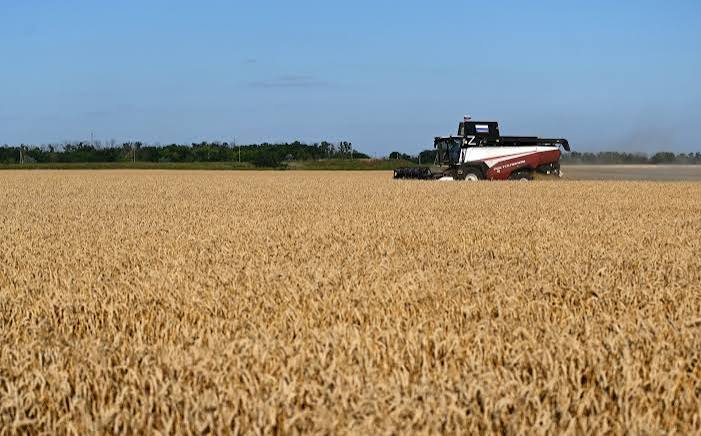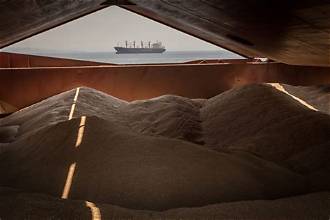
Uncertainty surrounding shipping operations in the Black Sea region continues to pose challenges for international grain markets, particularly wheat and maize. The region is a major corridor for agricultural exports, connecting grain-producing countries with buyers across the Middle East, North Africa, Asia and other import-dependent markets.
Changes in shipping conditions, freight costs and delivery schedules can influence the competitiveness of exporters and the cost of grain procurement for international buyers. Importers must consider not only the price of grain itself but also insurance, transportation, port handling and the availability of alternative routes when planning purchases.
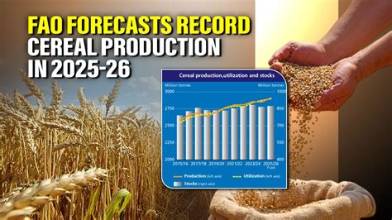
The Food and Agriculture Organization of the United Nations (FAO) projected global cereal trade at approximately 505.8 million tonnes for the 2026–27 marketing season, down 3.5% from the previous season. The forecast points to a contraction in international cereal trade following a period of strong shipments, although individual commodities and exporting regions may experience different trends.
Black Sea Routes Face Persistent Logistical Challenges
The FAO’s October 2 Cereal Supply and Demand Brief attributed the downward revision in global cereal trade largely to constrained Black Sea shipping routes and insufficient capacity on alternative transportation corridors. The agency reduced its forecast for global cereal trade by 3.5 million tonnes compared with its September estimate.
The disruptions are affecting export prospects for both wheat and maize. Ukraine’s maize export outlook has been lowered because of logistical constraints, while reduced supplies have also weakened export prospects for the European Union. In the wheat market, increased export expectations for Kazakhstan have been insufficient to offset lower projected shipments from Russia and Ukraine.
Alternative transport routes, including railways and river transport, can help maintain some grain movements. However, these options have limited capacity and may involve additional handling, storage and transportation expenses. Consequently, exporters may struggle to move grain as quickly or as economically as they would through established maritime routes.
Import-Dependent Countries Face Procurement Challenges
Countries that rely heavily on imported wheat and maize are particularly exposed to disruptions in international grain transportation. Delayed shipments can complicate inventory planning, while higher freight and insurance costs can increase the landed price of imported commodities.
Wheat is a major staple food in many countries, while maize is widely used in animal feed, food processing and industrial production. Any interruption in the movement of these commodities can therefore affect several parts of the agricultural value chain.
Importers may respond by diversifying their suppliers, purchasing grain from alternative origins or increasing inventories where financial and storage capacity permit. However, shifting to new suppliers can involve differences in grain quality, delivery schedules and contractual terms.
The World Food Programme has also warned that disruptions to major trade corridors, including the Black Sea, can increase costs and threaten food security, particularly for vulnerable communities that depend on imported food.
Grain Prices and Export Competition
Shipping uncertainty can influence international grain prices even when global production remains substantial. When exporters encounter difficulties delivering grain, supplies available to buyers in particular markets may tighten, creating differences between domestic and international prices.
Higher transportation costs can also reduce exporters’ competitiveness. Countries with reliable ports, efficient logistics and available grain stocks may gain opportunities to expand shipments when competing suppliers face difficulties.
Nevertheless, the overall effect on prices will depend on global harvests, export demand, stock levels and the duration of logistical disruptions. The projected decline in trade does not necessarily mean that all importing countries will experience shortages, but it does indicate a more challenging environment for international procurement.
Outlook for Global Grain Trade
The FAO forecast suggests that international cereal markets will need to adjust to lower projected trade volumes and continuing logistical uncertainty during the 2026–27 marketing season.
Maintaining reliable shipping operations, improving alternative transport capacity and strengthening coordination among exporters, importers and port authorities will be important for limiting disruptions.
For farmers, traders and policymakers, the key priorities are to monitor export availability, assess transportation costs and maintain flexible procurement strategies. Greater diversification of suppliers and more efficient grain-storage systems could also help reduce exposure to unexpected interruptions.
Conclusion: Black Sea shipping uncertainty remains a significant risk for global wheat and maize trade. Although international grain supplies remain substantial, transportation bottlenecks and higher logistical costs could make procurement more difficult for import-dependent countries and add pressure to food supply chains.


 By