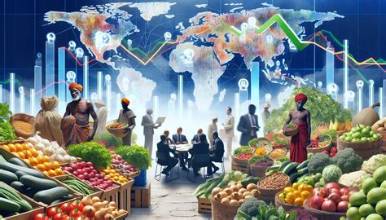
Global fertilizer supply disruptions and persistently high agricultural input costs are raising concerns about future crop production, farm profitability and food security. Fertilizers are essential for maintaining soil fertility and supplying crops with nutrients such as nitrogen, phosphorus and potassium. When supplies become expensive or difficult to obtain, farmers may reduce fertilizer application, switch to less nutrient-intensive crops or postpone planting decisions.
A recent analysis by the Organisation for Economic Co-operation and Development (OECD) highlights how fertilizer price shocks can affect farm profits, input use, planting choices and agricultural output. These effects are particularly serious for farmers with limited access to credit and those growing crops that require substantial nutrient inputs.
The consequences can extend beyond individual farms. If farmers in several major producing regions reduce nutrient applications at the same time, the effects could influence crop yields, global grain availability and food prices in subsequent seasons.
Geopolitical Tensions Disrupt Fertilizer Markets
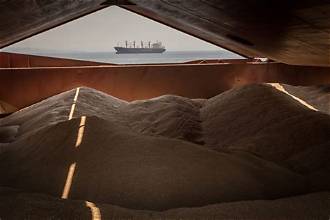
One of the major challenges facing the fertilizer industry is the disruption of international shipping and energy supplies. The Strait of Hormuz is an important route for global energy and fertilizer trade, and restrictions on shipping have affected the movement of key agricultural inputs.
According to the World Bank’s 2026 commodity market analysis, its fertilizer price index increased by more than 12% in the first quarter of 2026 compared with the previous quarter. Urea prices experienced particularly strong increases as supply disruptions and higher production costs affected the market. The World Bank also projected that fertilizer prices could rise by more than 30% over 2026, although the outlook depends on shipping conditions, energy prices and the recovery of supplies.
Natural gas is a critical raw material for producing nitrogen fertilizers such as urea and ammonia. Higher gas prices can increase manufacturing expenses, while interruptions to sulfur supplies can constrain the production of phosphate fertilizers. These interconnected pressures can affect fertilizer availability even in countries that do not directly depend on imports from the disrupted regions.
Farmers Face Difficult Production Decisions
Higher fertilizer costs can force farmers to reconsider their production strategies. Some may apply less fertilizer than recommended, potentially reducing crop growth and yields. Others may shift towards crops requiring lower nutrient inputs or reduce the area planted.
These decisions can have long-term consequences. Insufficient nutrient application may weaken soil fertility, affect crop quality and reduce productivity if nutrient deficiencies persist. Delayed planting can also expose crops to unfavorable weather during critical growth stages.
Small and marginal farmers are particularly vulnerable when credit is expensive or unavailable. Without sufficient working capital, they may struggle to purchase fertilizers at the appropriate time, even when products are available in local markets.
Implications for Global Grain Supplies
The impact of fertilizer shortages on food production depends on the duration of supply disruptions, regional weather conditions, existing fertilizer stocks and farmers’ ability to adapt. A short-lived disruption may be partly managed through inventories and alternative suppliers. Prolonged shortages, however, could create greater risks for future harvests.
Lower production in major grain-exporting countries could tighten international supplies and increase competition among importing nations. Higher fuel, irrigation and transportation costs could add further pressure to agricultural commodity prices.
Consumers may eventually face higher prices for products such as bread, rice, cooking oil and animal-based foods. However, the extent of any increase will depend on domestic harvests, trade policies, exchange rates and distribution costs.
Strategies to Strengthen Agricultural Resilience
Governments, fertilizer manufacturers and agricultural organizations can reduce these risks by diversifying import sources, improving supply-chain coordination and maintaining adequate inventories. Timely fertilizer distribution and affordable agricultural credit are also essential.
Farmers can improve nutrient-use efficiency through soil testing, balanced fertilization, precision application, organic matter management and the appropriate use of locally available nutrient sources. These practices should complement, rather than automatically replace, the nutrients required by crops.

 By