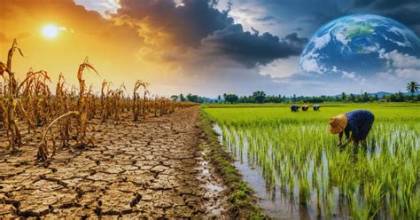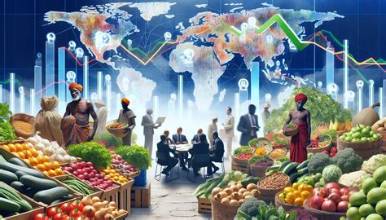
Global food inflation is expected to remain a significant concern through the end of 2026 and into 2027 as supply-chain disruptions, rising agricultural input costs and climate-related risks place additional pressure on food production and distribution. A Reuters report published on October 19 highlighted the growing strain on food affordability across several countries, particularly for low-income households that spend a substantial share of their earnings on essential food items.
The combination of higher transportation costs, fertilizer supply constraints, changing weather patterns and uncertainty in international grain trade is creating fresh challenges for agricultural markets. Although global food supplies remain substantial, disruptions in key producing and exporting regions could increase costs for import-dependent countries and intensify pressure on vulnerable consumers.
For farmers, food processors, traders and governments, the coming months will be important for managing production expenses, maintaining reliable supplies and limiting the impact of rising food costs.
International Commodity Prices Show Renewed Pressure
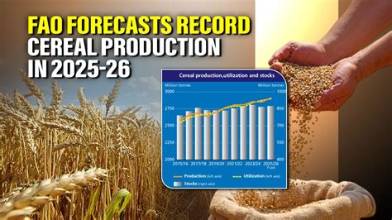
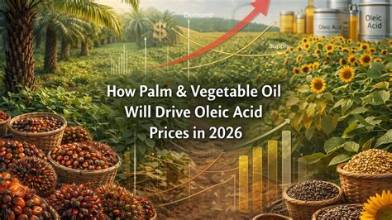
The Food and Agriculture Organization of the United Nations (FAO) reported that its Food Price Index averaged 136.0 points in September 2026, marking a 1.5% increase from August and a 5.8% rise compared with September 2025. Prices of cereals, sugar and vegetable oils increased, while meat prices declined and dairy prices remained broadly stable.
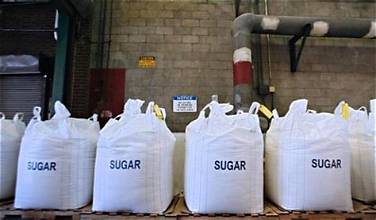
Wheat and maize markets have faced additional pressure from logistical constraints in the Black Sea region, lower export availability in some producing countries and weather-related uncertainty. International sugar prices have also risen amid concerns about production in India, Thailand and Brazil.
These developments demonstrate how disruptions affecting individual commodities can combine to influence the wider food market. Higher prices for staple ingredients can increase costs for bakeries, food manufacturers, retailers and other businesses involved in the food supply chain.
Shipping Disruptions and Fertilizer Costs Add to the Risk
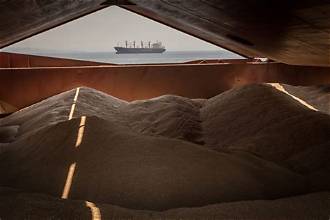
Transportation and energy costs are important factors in determining the final price of food. Disruptions around the Strait of Hormuz and the Black Sea have increased uncertainty over shipping schedules, freight charges and the movement of essential commodities.
Fertilizer affordability is another major concern. Nitrogen fertilizer production depends heavily on natural gas, while international shipping disruptions can affect the availability and cost of agricultural inputs. When fertilizers become more expensive, farmers may reduce application rates, change crop choices or delay purchases.
Such adjustments can affect yields in subsequent harvests, particularly in regions where farmers have limited access to affordable credit. Higher diesel, irrigation and transportation costs can further reduce farm profitability and contribute to pressure on food supplies.
Low-Income Households Face the Greatest Challenges
Rising food prices disproportionately affect households that devote a large share of their income to basic necessities. When staple foods become more expensive, families may reduce spending on nutritious foods, healthcare, education and other essential needs.
Reuters reported that food inflation was outpacing overall inflation in 22% of the 150 countries assessed by the World Bank during the September quarter, compared with 14% in the previous quarter. The report highlighted affordability pressures in parts of Asia, the Middle East and North Africa.
Import-dependent countries may face additional challenges when higher international prices coincide with weaker domestic currencies. These conditions increase the local cost of imported grain, edible oils, fertilizers and fuel.
Policy Priorities for 2027
Governments can help limit food inflation risks by maintaining open trade channels, improving domestic storage and distribution, and monitoring agricultural commodity markets. Targeted assistance for vulnerable households may provide more effective relief than broad measures that distort market signals.
Supporting farmers through timely access to affordable fertilizers, quality seeds, agricultural credit and reliable weather information is equally important. Investments in irrigation efficiency, climate-resilient farming and better post-harvest infrastructure can help reduce production losses and supply-chain costs.
Outlook
Global food inflation could remain elevated into 2027 if shipping disruptions, high input costs and unfavorable weather continue to affect agricultural markets. However, the extent of future price increases will depend on harvest performance, international trade flows, energy markets and government responses.

 By