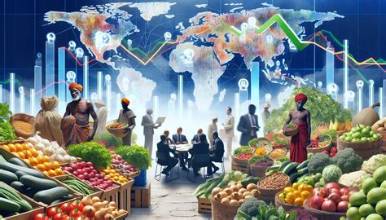
The rising cost of food commodities is becoming a growing concern for consumers, farmers, food-importing countries and policymakers. Higher prices for cereals, sugar and vegetable oils can increase food procurement costs, put pressure on household budgets and create additional challenges for countries that depend heavily on international agricultural markets.
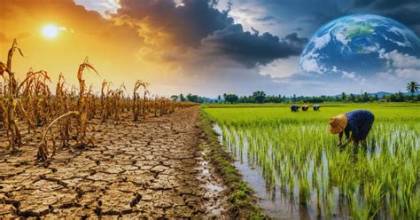
Weather uncertainty and transportation disruptions are also important factors influencing agricultural commodity prices. Changes in rainfall, extreme temperatures and other adverse weather conditions can affect crop yields, harvesting schedules and the availability of agricultural products. Meanwhile, higher freight costs and interruptions to shipping routes can make it more expensive to move food from producing regions to international markets.
Cereal and Sugar Prices Lead the Increase
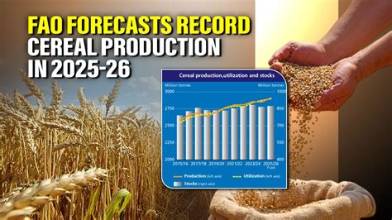
According to the FAO report released on October 2, 2026, the Food Price Index averaged 136.0 points in September, up from a revised 134.0 points in August. The index reached its highest level since November 2022, although it remained 15.1% below its record peak in March 2022.
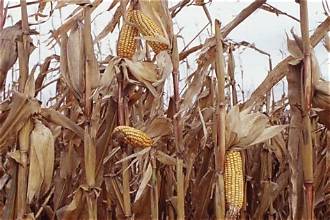
Cereal prices recorded one of the most significant increases. The FAO Cereal Price Index rose by 5.1% from August, while international wheat prices increased by 6.3%. Maize prices also climbed by 5.6%, reflecting concerns about crop yields in the United States, reduced export availability from Brazil and logistical challenges affecting Black Sea trade. Rice prices increased by 1.4% amid weather-related uncertainty and seasonally tighter supplies.
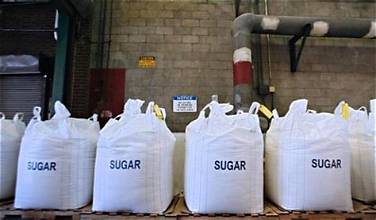
Sugar prices rose by 6.1% during September as expectations of tighter global supplies raised concerns among market participants. Production prospects in Thailand and India, heavy rainfall in Brazil’s Centre-South region and a reduction in the area planted to sugar beet in the European Union contributed to market uncertainty. Vegetable oil prices also increased by 0.9%, supported mainly by stronger palm oil prices and concerns about dry weather affecting production prospects in Southeast Asia.
However, not all food commodities followed the same trend. The FAO Meat Price Index declined by 1.1% in September, reflecting lower quotations for pork and poultry. The dairy price index edged down by 0.1%, indicating relative stability in that market segment. These differences show that global food-price movements depend on individual commodity supply, demand and trade conditions.
Weather and Transport Disruptions Add to Market Risks
Weather uncertainty remains a major challenge for agricultural production. Irregular rainfall, prolonged dry conditions and extreme temperatures can reduce yields and affect planting decisions. The potential effects of El Niño are also attracting attention because changing weather patterns can influence crop production across several important agricultural regions.
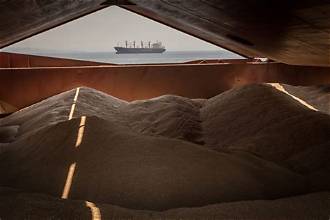
Transport and trade disruptions are adding another layer of uncertainty. The FAO has highlighted logistical constraints affecting the Black Sea region and uncertainty surrounding shipping through the Strait of Hormuz. Such disruptions can increase freight and energy costs, delay deliveries and make agricultural commodities more expensive to move between countries.
Implications for Farmers and Consumers
Rising international commodity prices can create mixed outcomes for farmers. Producers who sell wheat, maize, sugar crops or oilseeds may benefit from stronger selling prices, provided higher input and transportation costs do not offset the gains. Farmers who depend on purchased feed, fuel, fertilizers and other agricultural inputs may face higher production expenses.
For consumers, sustained increases in global food prices can eventually raise the cost of essential food products. However, changes in international commodity indices do not translate directly or immediately into retail prices. Domestic production, government policies, exchange rates, processing costs and distribution systems also influence what consumers pay.
Food-importing countries could face additional pressure on import bills if international prices and shipping costs remain elevated. Governments may therefore need to monitor market developments, maintain efficient supply chains and strengthen support for vulnerable households.
The September figures underline the importance of resilient agricultural production, reliable trade routes and timely market information. While one month’s increase does not establish a long-term trend, continued weather-related risks and transport disruptions could keep global food markets under pressure in the months ahead.

 By