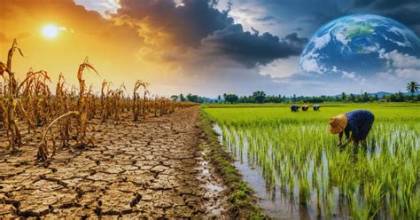
The potential effects of El Niño are drawing attention from agricultural agencies, climate experts and farmers as concerns grow over changing rainfall patterns, rising temperatures and the risks facing crop production in major agricultural regions. The climate phenomenon can alter seasonal weather conditions, potentially affecting planting schedules, irrigation requirements, crop yields and food supplies.
El Niño is a natural climate phenomenon associated with warmer-than-average sea surface temperatures in the central and eastern equatorial Pacific Ocean. It influences atmospheric circulation and can change rainfall and temperature patterns across different parts of the world. Its agricultural effects vary by region, crop type, season and the strength of the event.
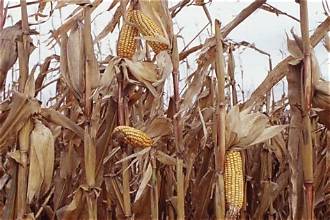
For farmers, the main concern is whether changing weather conditions will affect the availability of water during critical stages of crop growth. In regions vulnerable to drought, insufficient rainfall can reduce soil moisture, increase irrigation costs and limit crop development. Elsewhere, excessive rainfall and flooding can damage fields, delay sowing and harvesting, and disrupt agricultural transportation.
Major Agricultural Regions Face Different Risks
The World Meteorological Organization (WMO) warned on October 21 that the current El Niño could become exceptionally strong, with tropical Pacific sea-surface temperatures forecast to reach approximately 3.8°C above average between November 2026 and January 2027. The event is expected to peak around December, although its effects could continue afterwards.
The outlook identifies several areas of concern for agriculture:
- Southeast Asia: Warmer conditions and below-normal rainfall could increase pressure on irrigation systems, water supplies and crop production.
- Southern Africa: Drier conditions could threaten crop yields, livestock feed availability and rural livelihoods.
- East Africa: Above-normal rainfall in some areas could increase flooding risks, damaging crops and agricultural infrastructure.
- The Americas: Rainfall patterns could vary considerably, with drought risks in some locations and excessive rainfall in others.
These are regional seasonal outlooks, not precise predictions for individual farms. Local weather forecasts remain essential for making planting and irrigation decisions.
Rice and Sugarcane Production Under Watch
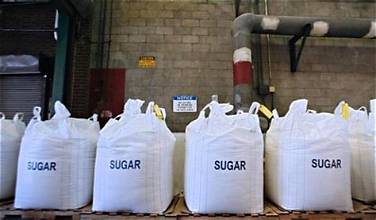
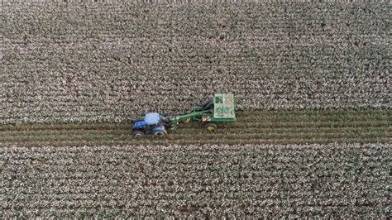
Rice and sugarcane are among the crops that could be affected by changes in rainfall and temperature. Rice cultivation often requires reliable water supplies, particularly in irrigated production systems. Prolonged dry spells can increase pumping costs and create water shortages, while flooding may damage fields and disrupt harvesting.
Sugarcane production can also suffer when prolonged drought restricts crop growth. Excessive rainfall, however, can delay harvesting and interfere with the transportation of harvested cane to processing facilities.
The effects will depend on local growing conditions, water availability, crop varieties and the timing of adverse weather. El Niño does not automatically mean lower production everywhere; some regions may receive beneficial rainfall.
Farmers Encouraged to Prepare Early
Agricultural experts recommend that farmers use seasonal forecasts and local advisories to reduce exposure to weather-related risks. Practical measures include adjusting planting dates, selecting suitable crop varieties, conserving soil moisture, improving drainage and using irrigation water efficiently.
Farmers can also consider crop diversification, mulching, rainwater harvesting and soil-health management where these practices are appropriate to local conditions. Monitoring weather forecasts throughout the growing season can help producers respond more quickly to changing conditions.
Governments and agricultural agencies have an important role in providing early warnings, strengthening water-management systems and ensuring that farmers receive timely information. Access to agricultural credit, crop insurance and reliable input supplies can also help farming communities manage climate-related uncertainty.
Outlook for Global Food Security
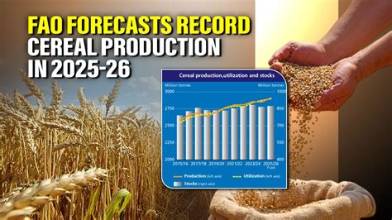
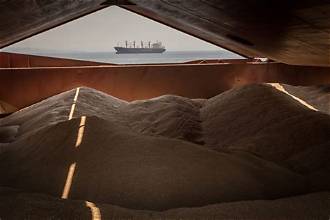
A strong El Niño could increase pressure on food supplies if adverse weather affects several major producing regions simultaneously. Lower harvests in important exporting countries may tighten international supplies, while higher irrigation, transportation and production costs could reduce farmers’ profit margins.
However, the overall impact on global food production remains uncertain. Crop performance will depend on the timing of rainfall, the severity of regional weather anomalies, existing soil moisture and farmers’ ability to adapt.
The key priority is preparedness. By combining reliable climate information with efficient water management and locally appropriate farming practices, agricultural stakeholders can reduce potential losses and strengthen resilience against extreme weather.

 By