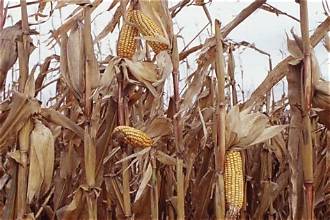
US corn futures declined on October 28 as the ongoing autumn harvest increased expectations of greater near-term grain supplies. The fall in prices reflects seasonal pressure on the agricultural commodity market, with traders assessing the pace of harvesting, the availability of newly harvested crops and prospects for global grain exports.
According to Reuters reporting, the most-active Chicago Board of Trade (CBOT) corn futures contract fell 0.2% to approximately $4.545 per bushel as of 1200 GMT. Wheat futures remained unchanged at around $6.16 per bushel, while soybean futures gained 0.5% to approximately $12.5925 per bushel.
Harvest Progress Weighs on Corn Prices
The progress of the US corn harvest is a major factor influencing market sentiment. As farmers harvest their crops and deliver grain to commercial storage facilities, the volume of corn available to buyers increases. This seasonal rise in supply can put downward pressure on futures prices, particularly when traders anticipate a large crop.
The additional availability of corn could also contribute to higher global export supplies, intensifying competition among major grain-producing countries. Exporters must consider both domestic prices and international demand when determining how much grain to sell overseas.
For farmers, declining futures prices can affect decisions about when to sell harvested grain, whether to store it and how to manage cash flow. Producers with limited storage capacity may need to sell a larger share of their harvest immediately, while those with suitable storage facilities may have greater flexibility to wait for potentially better prices. Future price movements, however, remain uncertain.
Wheat Market Remains Under Pressure
Wheat futures were broadly unchanged during the reported trading session, remaining near levels last seen in early July. Market participants continued to monitor developments affecting Black Sea grain shipments, a significant factor in international wheat trade.
Reuters reported that Russia was reviewing proposals concerning the safe transportation of grain across the Black Sea and remained in contact with Turkey. However, uncertainty persisted over the prospects of reviving a formal grain agreement. Any changes in shipping arrangements could affect export availability, transportation costs and the competitive position of wheat exporters.
Soybeans Record a Modest Gain
Unlike corn, soybean futures moved higher, gaining 0.5% during the reported session. The increase highlights the different supply-and-demand factors influencing individual agricultural commodities.
Soybean prices are affected by harvest progress, export demand, processing activity and competition among major producing countries. Changes in demand for soybean meal and oil can also influence the value of the crop.
Implications for Global Agriculture
Movements in US grain futures are important for international agricultural markets because the United States is a major producer and exporter of corn, wheat and soybeans. Changes in benchmark prices can influence procurement decisions by grain traders, livestock-feed manufacturers, food processors and importing countries.
Lower corn prices could provide some relief to feed manufacturers and livestock producers if the decline is reflected in physical-market prices. However, actual feed costs also depend on local availability, transportation expenses, currency movements and processing charges.
For agricultural exporters, the combination of harvest pressure and uncertainty over international shipping routes will remain important in the coming weeks. Market participants are likely to focus on crop availability, export demand and logistics as they assess the direction of grain prices.


 By