A strengthening El Niño climate phenomenon is raising concerns about global agricultural production, food availability and rural livelihoods, with several regions facing an increased risk of droughts, floods, extreme heat and disrupted rainfall patterns. The United Nations Food and Agriculture Organization (FAO) has warned that the climate event could further intensify food insecurity, particularly in countries already struggling with conflicts, economic instability and high food prices.
El Niño, characterised by unusually warm sea surface temperatures in the central and eastern equatorial Pacific Ocean, has become firmly established in 2026. According to the World Meteorological Organization (WMO), the phenomenon is expected to remain strong through early 2027, potentially influencing weather conditions across several agricultural regions.
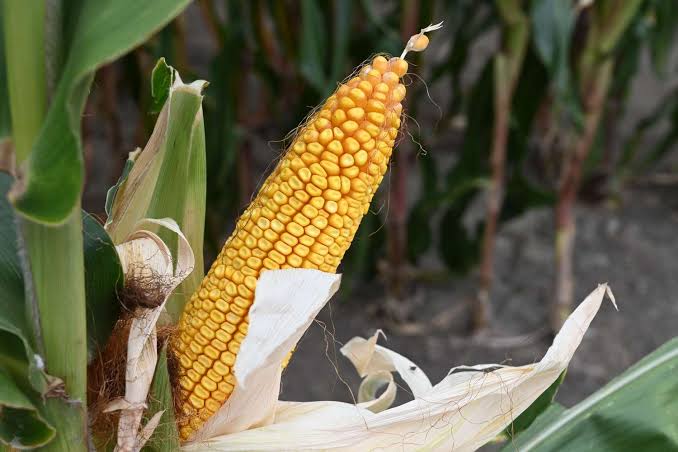
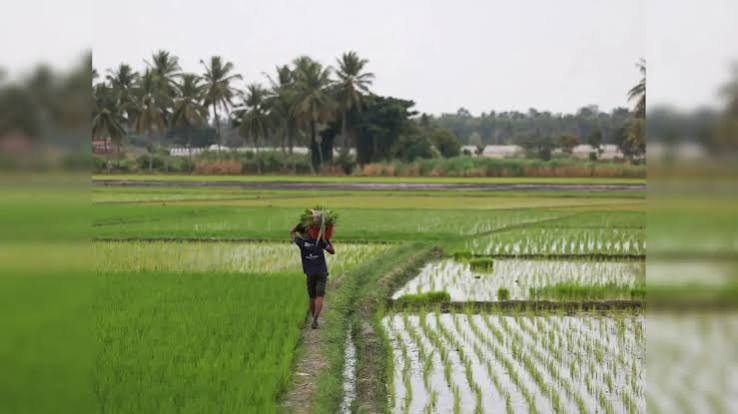
The changing weather patterns could have significant consequences for farming systems. Reduced rainfall and prolonged dry spells may affect crop growth, soil moisture and irrigation availability, while excessive rainfall and flooding could damage standing crops, delay harvesting and disrupt agricultural transportation.
The impacts are already becoming visible in different parts of the world. In Brazil, severe drought and forest fires have raised concerns about agricultural and environmental losses. In Peru, authorities have warned about flood and landslide risks affecting millions of people. Meanwhile, Indonesia has experienced extensive forest fires associated with prolonged dry conditions. These developments highlight the widespread consequences of changing climate patterns for agriculture and natural resources.
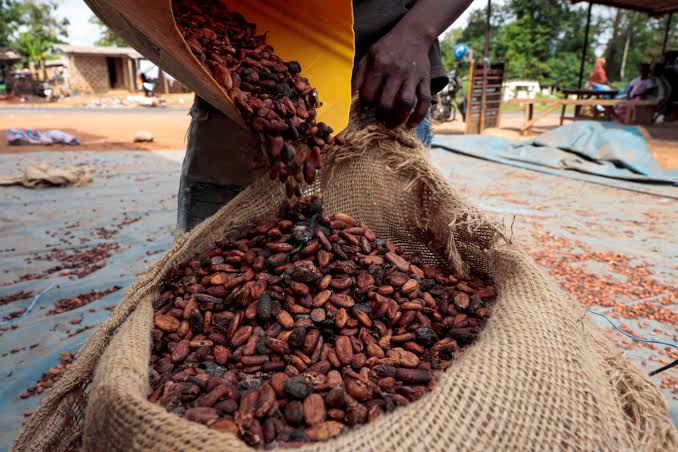
West Africa is another region facing potential agricultural losses. In Ivory Coast, the world’s leading cocoa producer, meteorological assessments indicate that cocoa production could decline by approximately 21–25% due to reduced rainfall, higher temperatures and an extended dry season. Such production disruptions could affect farmers’ incomes, agricultural exports and international commodity markets.
FAO and WFP Launch $202 Million Anticipatory Action Appeal
In response to the growing threat, FAO and the World Food Programme (WFP) launched a joint anticipatory action appeal worth $202 million on 18 June 2026. The initiative aims to protect approximately 8.8 million people across 22 high-risk countries from potential El Niño-related climate shocks. The programme focuses on taking preventive measures before extreme weather conditions develop into humanitarian emergencies.
The targeted countries include Afghanistan, Pakistan, the Philippines, Nigeria, Ethiopia, Kenya, Somalia, Sudan, South Sudan, Mozambique, Zimbabwe, Haiti, Colombia and Venezuela, among others.
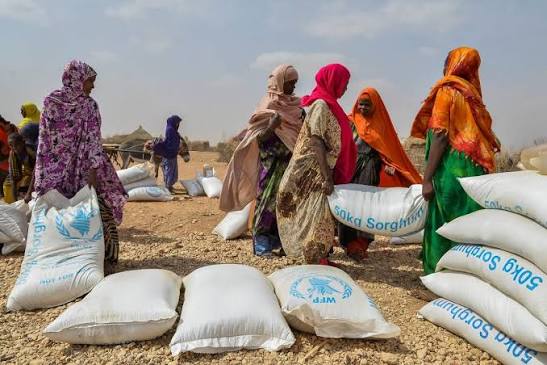
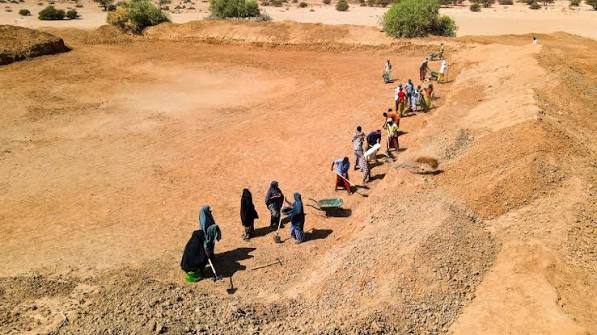
The proposed interventions include distributing drought-tolerant and flood-resistant seeds, providing cash assistance to vulnerable farming households, protecting livestock, improving water storage facilities and delivering agricultural weather advisories. These measures are designed to help communities protect their livelihoods and maintain food production during difficult climatic conditions.
FAO and WFP have also highlighted the economic benefits of early intervention. According to their joint appeal, every dollar invested in anticipatory action could generate up to seven dollars in avoided losses and response costs.
Growing Concerns for Global Agriculture
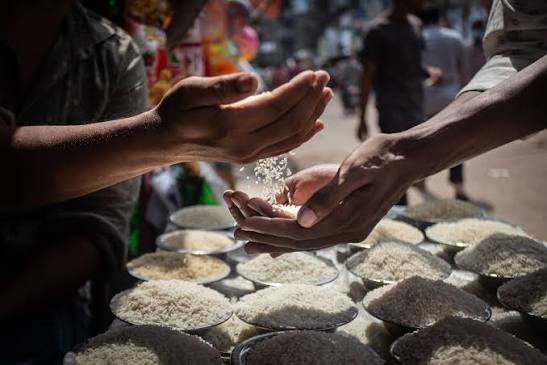
The strengthening El Niño event presents an additional challenge for global food systems already affected by geopolitical tensions, supply-chain disruptions and economic uncertainty. Lower crop yields in vulnerable regions could increase pressure on food prices, reduce farm incomes and worsen nutritional conditions among low-income households.
Agricultural experts emphasise the importance of climate-resilient farming, efficient irrigation, improved crop varieties and reliable weather forecasting. Governments will also need to strengthen disaster preparedness and ensure that farmers receive timely information about changing weather conditions.
As El Niño continues into 2027, its impact will depend on regional rainfall patterns, agricultural calendars and the preparedness of individual countries. Early intervention, climate-smart agricultural practices and international cooperation will be essential to protect farming communities and strengthen global food security.

 By