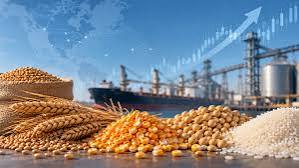
Brazil’s agricultural export sector recorded mixed results in October 2026, with soybean shipments declining while corn exports demonstrated stronger monthly performance. The latest trade figures highlight changing seasonal patterns, shifting international demand and Brazil’s continued importance in global agricultural commodity markets.
According to an analysis published by StoneX, based on data released by Brazil’s Ministry of Development, Industry, Trade and Services (MDIC), soybean exports declined by 13.8% in October compared with September. The reduction was largely associated with seasonal changes in shipment availability as the export window for Brazil’s domestic soybean crop gradually came to an end.
Despite the monthly decline, Brazil maintained strong cumulative soybean export performance during the first ten months of 2026. Between January and October, the country exported approximately 107.7 million tonnes of soybeans, representing an increase of 2.8% compared with the corresponding period in 2025.
Chinese Demand Influences Soybean Trade
China remains one of Brazil’s most important soybean export destinations. However, Chinese purchases of Brazilian soybeans declined by 16.5% in October compared with the previous month.
The changing purchasing pattern reflects seasonal adjustments in international soybean trade. Following the completion of the US soybean harvest, American supplies generally become more competitive in the Chinese market. As a result, US exporters are expected to capture a larger share of Chinese soybean imports during the coming months.
Historically, China’s reliance on Brazilian supplies increases again as the South American harvest approaches. Brazil is therefore expected to strengthen its position in the Chinese market once its next soybean harvesting season begins in 2027.
Brazilian Corn Exports Show Strong Monthly Performance
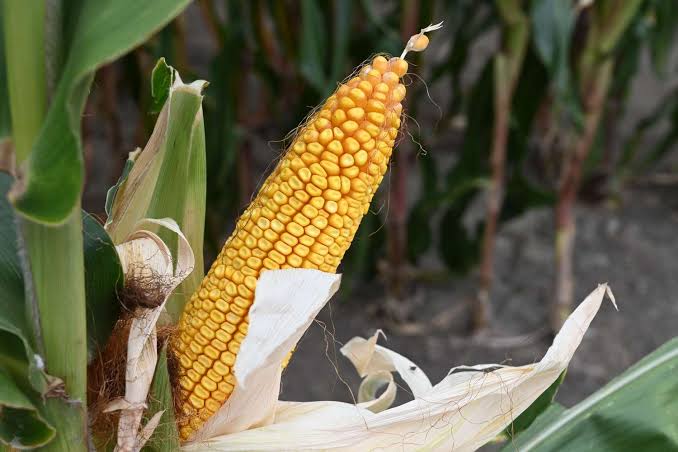
In contrast to soybeans, Brazilian corn exports recorded a stronger performance in October. The country shipped approximately 5.91 million tonnes of corn during the month, representing a 9.2% increase compared with September.
However, October’s corn shipments were 12.5% lower than the volume recorded during the same month in 2025. This indicates that despite the monthly improvement, year-on-year export performance remains under pressure.
Brazil is among the world’s leading corn producers and exporters, supplying international markets across Asia, the Middle East and other regions. Its export performance is influenced by domestic production, livestock feed demand, ethanol manufacturing and international purchasing activity.
Sorghum Exports Reach a New Monthly Record
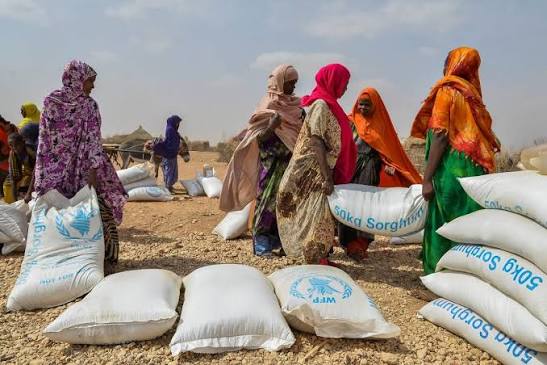
Another important development in Brazil’s agricultural trade was the exceptional growth in sorghum exports. The country exported approximately 1.2 million tonnes of sorghum in October, establishing a new monthly record.
The expansion of domestic sorghum cultivation and improved access to the Chinese market have contributed to this growth. Brazil’s planted sorghum area has increased approximately 6.5 times over the past five crop seasons, reflecting growing interest in the crop as an alternative agricultural commodity.
China’s approval of Brazilian sorghum-exporting facilities in November 2025 has also created additional opportunities for exporters.
Outlook for Global Agricultural Markets
Brazil’s October export figures demonstrate how seasonal harvesting patterns, international demand and changing trade relationships influence agricultural commodity shipments.
While soybean exports remain strong on a cumulative basis, the decline in October highlights the importance of seasonal supply availability. Meanwhile, improved monthly corn shipments and record sorghum exports demonstrate the growing diversity of Brazil’s agricultural export sector.
Developments in Brazil will remain important for international grain buyers, particularly China, as global markets prepare for the next South American agricultural production cycle.

 By