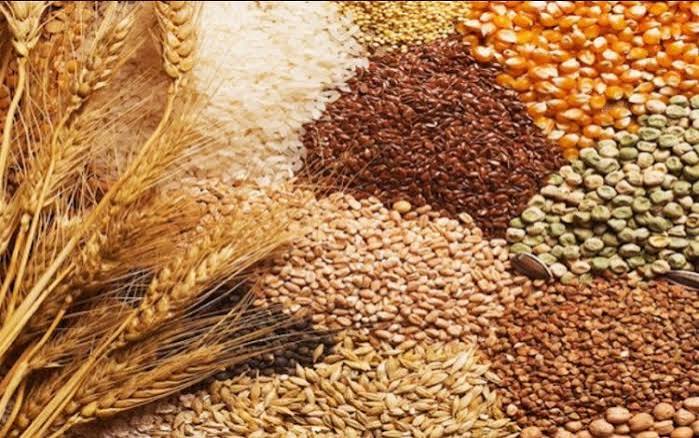
U.S. grain markets came under renewed pressure on September 2, with corn, soybean and winter wheat futures moving lower as traders engaged in technical selling and profit-taking. The decline comes at a challenging time for American farmers, who are already facing tight margins because of elevated production costs and relatively weak commodity prices.
The recent retreat marks a loss of momentum following periods of strength in grain markets. Traders often use rallies to lock in profits, particularly when prices have moved higher over a short period. This type of selling can put pressure on futures even when underlying supply-and-demand fundamentals have not changed dramatically.
Corn futures were among the commodities affected by the selling pressure. Corn remains one of the most important crops for U.S. agriculture, with demand coming from livestock feed, ethanol production and exports. However, farmers continue to monitor production costs, domestic demand and global competition as they assess the profitability of the crop.
Soybeans also moved lower, adding another challenge for producers. The U.S. soybean market is heavily influenced by international demand, particularly purchases by major importers such as China. Export competition from South America, currency movements and changing global trade patterns can all influence prices received by U.S. farmers.
Winter wheat futures also declined during the session. Wheat markets have been particularly sensitive to global production forecasts, export competition and weather developments in major growing regions. Large supplies in some exporting countries can limit the ability of U.S. producers to benefit from higher prices.
The decline in futures prices is significant because U.S. farmers are entering a period when they must make decisions about harvesting, marketing and the purchase of inputs for future crops. Lower commodity prices can reduce expected revenue while expenses for seed, fertilizer, chemicals, machinery, fuel and labor remain substantial.
Farm margins have already been under pressure in many parts of the United States. When market prices fall below farmers’ expectations, producers may delay sales in anticipation of a recovery. However, holding grain also involves storage and financing costs, making marketing decisions increasingly important.
Global competition is another major factor. The United States competes with major agricultural exporters including Brazil, Argentina, Russia and other grain-producing countries. Large harvests or aggressive export pricing from competing suppliers can make it more difficult for U.S. grain to gain market share overseas.
Weather remains an additional source of uncertainty. Crop conditions during the final stages of development can influence production estimates, while weather developments in other major exporting regions can quickly change global supply expectations.
Despite the recent decline, market participants will continue to watch export demand, crop yields, weather forecasts and government agricultural reports for signals about the direction of prices.
For U.S. farmers, the latest market movement reinforces the importance of careful cost management, marketing strategies and risk management. With grain prices losing momentum, maintaining profitable farm operations could remain difficult unless demand strengthens or supply-side concerns provide renewed support to commodity markets.


 By
By