Nigeria is stepping up efforts to promote sustainable agricultural mechanisation and investment as the country seeks to modernise its farming sector, improve productivity and strengthen food security. The government is highlighting the importance of coordinated investment and institutions such as the National Agricultural Development Fund (NADF) in supporting the transformation of agriculture.
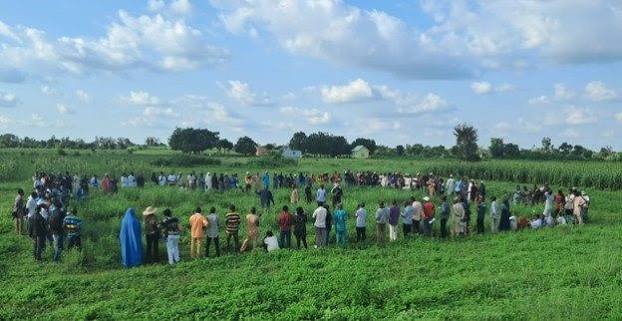
Agriculture remains a major part of Nigeria’s economy and provides livelihoods for millions of people. However, many farmers continue to rely heavily on manual labour and traditional production methods. Limited access to modern machinery, high equipment costs, inadequate rural infrastructure and restricted access to finance have slowed the pace of mechanisation in several parts of the country.
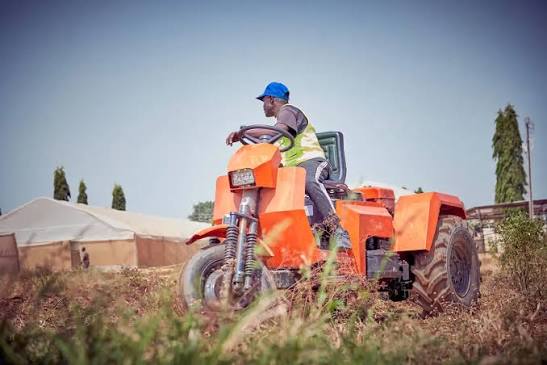
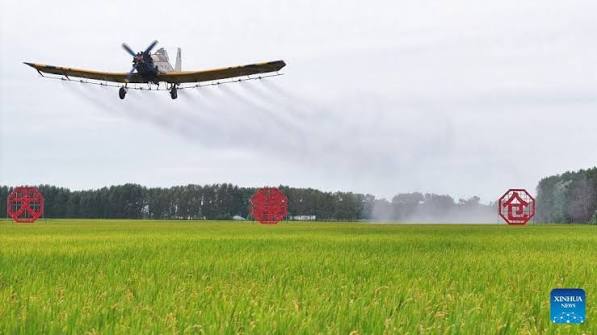
The government’s focus on sustainable mechanisation is aimed at addressing these challenges while ensuring that agricultural technology remains economically and environmentally viable. Mechanisation can help farmers complete key operations such as land preparation, planting, harvesting and post-harvest handling more efficiently.
For smallholder farmers, access to appropriate machinery is particularly important. Instead of depending exclusively on large and expensive equipment, agricultural mechanisation programmes can promote small-scale and affordable machinery suited to local farming conditions. Equipment-sharing models and mechanisation service centres can also allow farmers to access machinery without having to purchase it individually.
Investment in agricultural mechanisation can have benefits across the entire food supply chain. Faster harvesting can reduce crop losses, while improved planting and field operations can contribute to more efficient use of labour, seed, fertiliser and other inputs. Better post-harvest equipment can also help reduce losses between farms and markets.
The emphasis on sustainability is equally significant. Modern agricultural machinery needs to be integrated with practices that protect soil, conserve energy and reduce unnecessary environmental impacts. Efficient equipment, precision technologies and appropriate machinery selection can help farmers improve productivity while using resources more responsibly.
The National Agricultural Development Fund is being positioned as an important mechanism for mobilising investment and supporting agricultural development. Greater availability of agricultural finance can help address one of the biggest barriers to mechanisation: the high upfront cost of machinery and equipment.
Access to finance could also encourage private-sector participation in Nigeria’s agricultural sector. Machinery manufacturers, equipment dealers, financial institutions and agricultural service providers can play an important role in developing a sustainable mechanisation ecosystem.
However, successful mechanisation requires more than simply increasing the number of machines available to farmers. Training, maintenance services, spare-parts availability, technical skills and reliable rural infrastructure are equally important. Without these supporting systems, expensive agricultural equipment may remain underutilised.
Nigeria’s push also comes amid broader efforts to increase domestic food production and reduce vulnerability to food-supply disruptions. Improving farm productivity and reducing post-harvest losses can help strengthen domestic food availability while creating opportunities for farmers and agribusinesses.
The government’s approach therefore links mechanisation with wider agricultural investment and development objectives. By improving access to technology and finance, Nigeria aims to build a farming sector that is more productive, competitive and resilient.
The initiative highlights the growing importance of sustainable mechanisation as a tool for agricultural transformation. If supported by appropriate financing, farmer training and private-sector investment, modern machinery could help Nigerian farmers increase productivity while reducing dependence on manual labour.
For Nigeria’s agricultural future, the combination of mechanisation, investment and institutional support could play an important role in strengthening food security, improving farm incomes and developing a more modern and sustainable agricultural economy.

 By
By