International agricultural research organisations and their partners are strengthening efforts in Ethiopia to promote agroecology-based natural-resource management, with a particular focus on building technical capacity for sustainable and climate-resilient farming systems.
The initiative brings together expertise from organisations including CGIAR and the International Crops Research Institute for the Semi-Arid Tropics (ICRISAT), along with partners connected to the Indian Council of Agricultural Research (ICAR). Their collaboration is aimed at supporting knowledge exchange and training on approaches that can improve agricultural productivity while protecting natural resources.
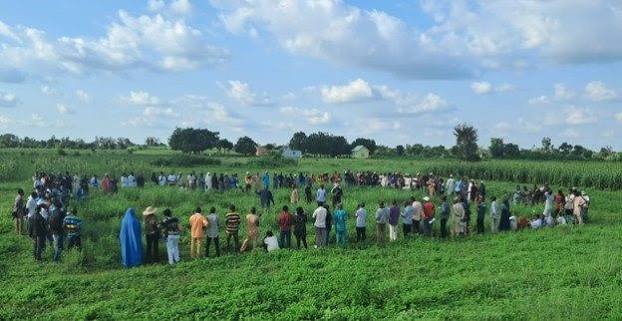
Ethiopia’s agricultural sector is highly dependent on natural resources, particularly soil and water. Farmers in many parts of the country face challenges including land degradation, declining soil fertility, water shortages and increasingly variable weather conditions. These pressures can reduce farm productivity and make rural livelihoods more vulnerable to climate change.
Agroecology offers an approach that seeks to work with natural ecological processes rather than relying solely on external agricultural inputs. Practices can include soil-health management, crop diversification, efficient water use, biological resource management and integration of crops with livestock and other farming activities.
Training is an important component of the initiative because sustainable agricultural practices require strong technical knowledge at both institutional and community levels. Capacity-building programmes can help researchers, extension professionals and other agricultural stakeholders better understand how agroecological principles can be adapted to local farming conditions.
Natural-resource management is particularly important in areas where agricultural expansion and intensive cultivation have placed pressure on soil and water resources. Improving soil structure and fertility can increase the ability of farmland to retain water and nutrients, potentially helping crops withstand periods of environmental stress.
The collaboration also creates opportunities for South-South knowledge exchange. India and Ethiopia share several agricultural challenges, including semi-arid conditions, water constraints and the need to improve productivity for smallholder farmers. Experiences from agricultural research and extension programmes in India can therefore provide useful lessons for Ethiopian farming communities and institutions.
ICRISAT’s expertise in dryland agriculture and climate-resilient crops is particularly relevant to efforts aimed at improving farming systems in water-limited environments. CGIAR’s wider research network can also contribute knowledge related to sustainable food systems, climate adaptation and natural-resource management.
The involvement of ICAR-linked partners further strengthens opportunities for exchanging agricultural research, training methodologies and practical field experiences. Such cooperation can help connect scientific research with on-farm implementation.
For Ethiopia, strengthening agroecological capacity could contribute to soil conservation, improved resource-use efficiency and greater resilience to climate variability. It may also support farmers in reducing production risks while maintaining agricultural productivity over the long term.
However, successful adoption of agroecological practices depends on local conditions. Farmers need access to appropriate technologies, quality planting material, extension services, markets and financial support. Training therefore represents an important first step that needs to be complemented by field demonstrations and continued technical assistance.
The Ethiopia initiative highlights the growing importance of international collaboration in developing sustainable and climate-resilient agricultural systems. By bringing together research organisations, national institutions and agricultural professionals, the programme can help strengthen the knowledge base needed to manage natural resources more effectively.
As climate change and resource pressures continue to affect farming communities, agroecology-based approaches could become increasingly important. The cooperation among CGIAR, ICRISAT, ICAR-linked partners and Ethiopian institutions demonstrates how training, research and international knowledge exchange can support the transition toward more sustainable agriculture.

 By
By