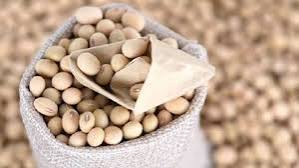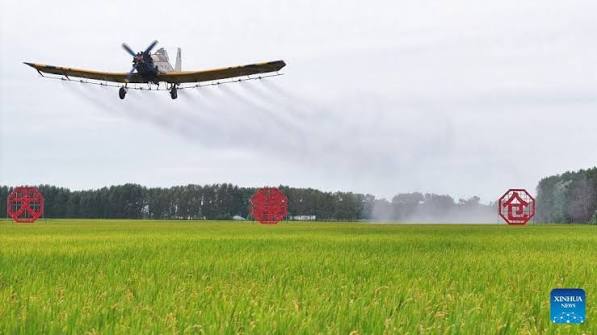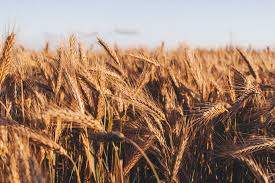
Egypt and China are strengthening agricultural research cooperation to develop climate-resilient crop varieties capable of performing under increasingly difficult environmental conditions. The collaboration is focusing on crops that can tolerate drought and salinity, two major challenges threatening agricultural productivity in water-stressed and climate-vulnerable regions.
The partnership comes at a time when climate change is placing growing pressure on agricultural systems worldwide. Rising temperatures, irregular rainfall and increasing water scarcity are making it more difficult for farmers to maintain stable crop production. In countries such as Egypt, where agriculture depends heavily on limited water resources, improving crop resilience has become an important research priority.
One of the key areas of cooperation is the development and evaluation of strategic crop varieties that can maintain acceptable yields when exposed to drought or saline conditions. Such varieties could help farmers reduce production losses while making more efficient use of available water and agricultural land.
Drought tolerance is particularly important as periods of insufficient rainfall and water shortages become more frequent in many agricultural regions. Crops with stronger drought resistance can continue growing and producing yields under limited moisture, potentially reducing the economic risks faced by farmers.
Salinity presents another major challenge. Excessive salt accumulation in soil can reduce plants’ ability to absorb water and nutrients, ultimately affecting growth and productivity. Salinity can be especially problematic in irrigated agricultural areas where poor drainage or water quality contributes to the buildup of salts in farmland.
Agricultural researchers from Egypt and China can contribute complementary expertise in crop breeding, genetics, biotechnology, field evaluation and agricultural management. Cooperation in these areas can accelerate the identification of crop traits that provide greater resilience to environmental stress.
The development of climate-resilient varieties could also have benefits beyond Egypt and China. Many countries across Africa, Asia and the Middle East face similar challenges related to water scarcity, soil degradation and extreme weather. Technologies and crop varieties developed through international research partnerships could potentially support agricultural adaptation in other vulnerable regions.
For farmers, improved varieties can offer an important tool alongside efficient irrigation, soil management, conservation agriculture and other climate-smart practices. Crop genetics alone cannot eliminate the effects of climate stress, but resilient varieties can strengthen the overall capacity of farming systems to withstand difficult conditions.
The cooperation also highlights the growing importance of international agricultural research partnerships in addressing global food-security challenges. As climate pressures intensify, countries are increasingly looking beyond traditional farming technologies and investing in scientific approaches that can improve crop performance under changing environmental conditions.
For Egypt, developing crops that can withstand drought and salinity could contribute to more efficient use of scarce agricultural resources and help protect food production. For China, international cooperation provides opportunities to expand research networks and apply agricultural innovations across different environments.
The Egypt-China initiative demonstrates how crop science can play a central role in preparing agriculture for a changing climate. By combining research capabilities and focusing on drought- and salinity-tolerant crops, the two countries are working toward farming systems that are more productive, adaptable and resilient to environmental stress.
As climate change continues to reshape agricultural conditions, such research partnerships are expected to become increasingly important for protecting farmers’ livelihoods and strengthening global food security.

 By
By