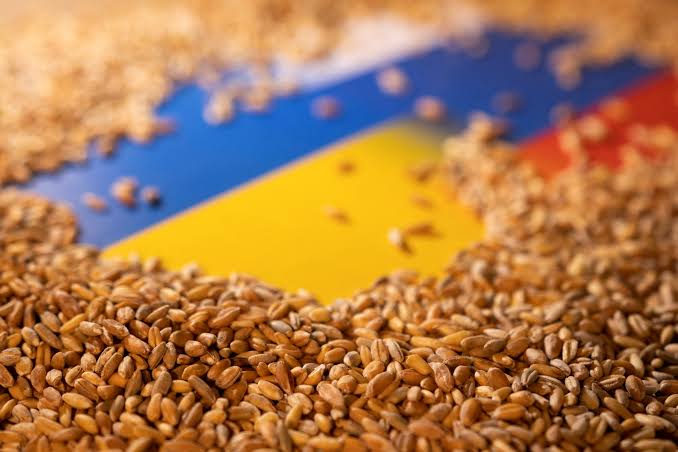
The European Union is exploring alternative transportation routes for Ukrainian grain exports as drought conditions and logistical challenges create additional pressure on existing agricultural trade corridors. The move reflects continuing efforts by European authorities to maintain Ukraine’s access to international markets and prevent disruptions to the movement of essential agricultural commodities.
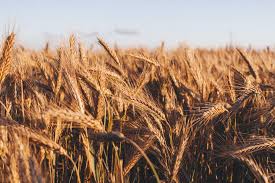
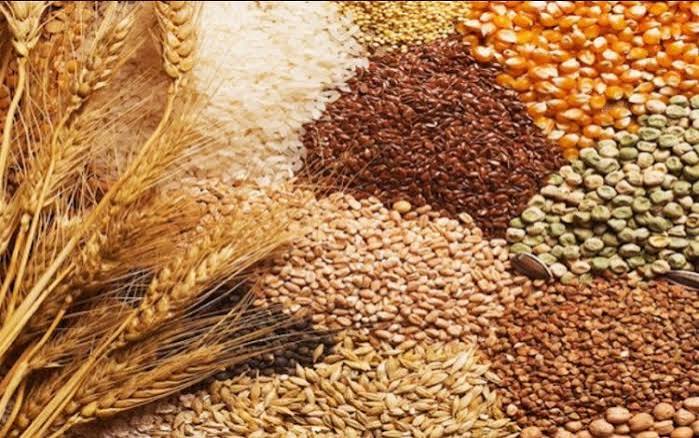
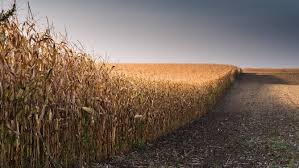
Ukraine is one of the world’s major producers and exporters of grains such as wheat, maize and barley. The country’s agricultural sector plays an important role in global food supplies, particularly for markets in Europe, the Middle East and North Africa. Maintaining reliable export channels is therefore important not only for Ukrainian farmers but also for international food security.
Existing export routes have faced a combination of infrastructure, transportation and weather-related challenges. Drought conditions can affect water levels and the efficiency of inland waterways, while congestion and limited transport capacity can create bottlenecks for agricultural shipments. These challenges can increase transportation costs and make it more difficult for exporters to move large volumes of grain efficiently.
In response, the EU is examining ways to strengthen and diversify the routes available for Ukrainian agricultural products. Alternative corridors could include greater use of railways, road networks, inland waterways and European ports, depending on market conditions and available infrastructure.
The development of alternative routes is also part of a broader effort to improve the resilience of Ukraine’s agricultural export system. By reducing dependence on a limited number of transportation channels, exporters may be better positioned to respond to disruptions caused by weather, infrastructure constraints or geopolitical developments.
For Ukrainian farmers, reliable access to export markets is critical. Grain exports provide an important source of income and help farmers maintain production for subsequent agricultural seasons. Any prolonged disruption to exports can put pressure on storage facilities, domestic grain prices and farm finances.
The EU also has an interest in maintaining stable agricultural trade flows because disruptions in grain exports can have wider consequences for European and global markets. Reduced availability from a major exporting country can influence international prices and increase competition among importing nations.
Logistics will remain a key challenge. Moving large quantities of grain through alternative routes requires adequate railway capacity, road infrastructure, storage facilities, border-crossing systems and port handling capacity. Coordination between Ukraine and EU member states will therefore be important to ensure that new routes can operate efficiently.
The current situation highlights the increasing importance of diversified agricultural supply chains. Climate-related challenges such as drought are adding another layer of complexity to international grain trade, alongside geopolitical and infrastructure risks.
As the EU evaluates alternative routes, the objective will be to keep Ukrainian grain moving while improving the reliability and flexibility of regional transport networks. Successful diversification could help Ukrainian farmers maintain access to overseas markets and contribute to greater stability in global grain supplies.
The development is another indication that agricultural trade is increasingly dependent not only on crop production but also on transport infrastructure, climate conditions and resilient supply-chain systems.

 By
By