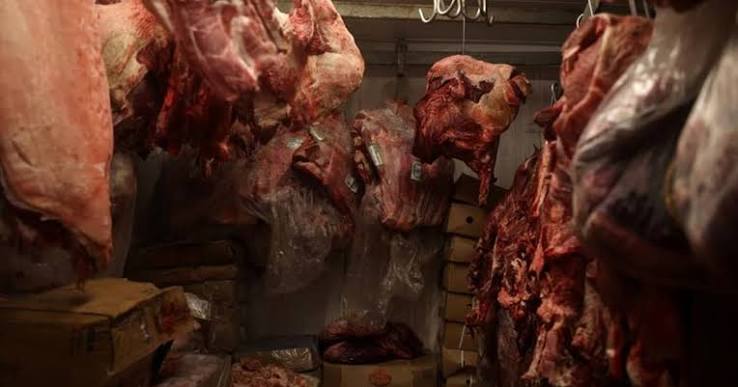
Brazil has introduced new inspection procedures for meat and meat products destined for the European market, reinforcing its focus on food safety, traceability and compliance with stringent international standards. The move comes as Brazil seeks to maintain and strengthen its position as one of the world’s leading meat exporters while meeting the increasingly demanding requirements of overseas markets.
Brazil is a major global supplier of beef, poultry and other animal-protein products, with exports reaching consumers across Europe, Asia, the Middle East and other regions. The European Union represents an important high-value market, where imported meat is subject to detailed requirements covering animal health, food safety, production practices and traceability.
Under the strengthened inspection approach, meat products intended for European markets are expected to undergo closer scrutiny before export. Inspection procedures are an important part of ensuring that products meet the required sanitary and quality standards from the farm and processing facility through to international shipment.
Traceability is a particularly important component of modern meat-export systems. It enables authorities and companies to track animals and products through different stages of the supply chain. Strong traceability systems can help identify the origin of products, support disease-control measures and allow authorities to respond more quickly if food-safety concerns emerge.
For Brazilian meat producers and exporters, compliance with European requirements is essential for maintaining market access. The EU has established rigorous standards for imported animal products, and exporters must demonstrate that their production and inspection systems provide adequate guarantees regarding safety and animal health.
The new procedures could also encourage greater investment in Brazil’s meat-processing and supply-chain infrastructure. Exporters may need to strengthen documentation, inspection systems, laboratory testing, digital records and internal quality-control processes to ensure that consignments meet the required standards.
The importance of these measures extends beyond individual shipments. A strong inspection and traceability system can help protect the reputation of an entire exporting industry. For a country with Brazil’s large meat-export sector, maintaining confidence among international buyers is critical to sustaining long-term trade relationships.
Food-safety compliance has become increasingly important in global agricultural trade. Importing countries are placing greater emphasis on transparency and the ability to verify where food originates and how it has been produced. Advances in digital traceability, data management and supply-chain monitoring are therefore becoming increasingly relevant to meat exporters.
The European market can also provide opportunities for higher-value exports, making compliance economically important for Brazilian producers. Meeting strict standards may involve additional costs, but it can help exporters access premium markets and build greater confidence among international customers.
The latest inspection measures demonstrate Brazil’s effort to align its meat-export system with evolving international expectations. They also highlight the growing connection between agricultural production, food safety, traceability and international market access.
For Brazilian livestock producers and meat companies, the message is clear: maintaining export competitiveness requires not only high production volumes but also consistent compliance with global food-safety standards.
As international meat trade continues to expand, robust inspection and traceability systems will remain essential. Brazil’s strengthened procedures for products destined for Europe underline the country’s commitment to meeting demanding import requirements and protecting its position in the global meat market.

 By
By