

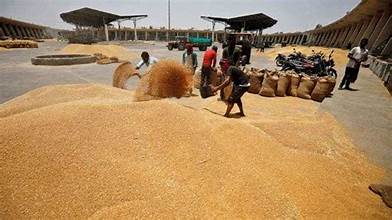
In a notable policy shift, India has approved additional wheat exports, signaling renewed confidence in domestic production levels and stock availability. The move is expected to enhance the country’s standing in global grain markets while providing better price realization opportunities for farmers.
The decision comes after a period of cautious export restrictions imposed to safeguard domestic food security and control inflation. With stable production and adequate buffer stocks now in place, authorities have opened the door for increased participation in international trade. This step reflects a balanced approach—ensuring internal supply stability while leveraging export potential.
Wheat is one of India’s most important staple crops, cultivated extensively across northern and central states. The recent stability in output, despite weather-related challenges, has given policymakers the confidence to allow more exports without risking domestic shortages. As a result, traders and exporters are gearing up to tap into demand from countries facing supply gaps due to global uncertainties.
On the global stage, India’s expanded exports could play a significant role in stabilizing wheat prices. Several major wheat-producing regions have experienced disruptions in recent years due to geopolitical tensions and adverse weather conditions. By increasing its export volumes, India can help ease supply constraints and position itself as a reliable supplier in the international market.
For Indian farmers, this development is particularly encouraging. Higher export demand typically leads to improved market prices, enabling farmers to earn better returns for their produce. This is especially beneficial in regions where procurement under the Minimum Support Price (MSP) system may be limited, allowing farmers to explore alternative market channels.
Industry experts believe that the export push could also boost investments in supply chain infrastructure, including storage, logistics, and port facilities. Improved export capacity would not only benefit wheat but also strengthen India’s overall agricultural trade ecosystem.
However, analysts caution that the government will need to closely monitor domestic price trends. Any sharp rise in local wheat prices could impact food inflation and consumer affordability. Therefore, export policies may continue to be calibrated based on production estimates, stock levels, and market dynamics.
The move also aligns with India’s broader strategy of increasing its share in global agricultural trade. With a strong production base and a large farming community, the country has significant potential to become a key player in international grain markets. Expanding exports is seen as a step toward unlocking that potential while supporting farmer incomes.
In conclusion, India’s decision to allow more wheat exports marks an important development for both the agricultural sector and the economy. By carefully balancing domestic needs with global opportunities, the country is positioning itself as a dependable contributor to global food supply while ensuring that its farmers benefit from improved market prospects.


 By
By











