

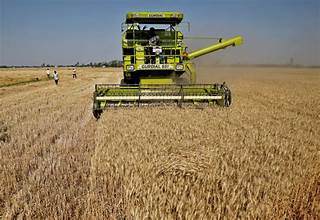
India’s wheat production for the 2025–26 crop year has remained stable, according to the latest estimates released by the government, even as farmers faced significant weather-related disruptions in key growing regions. Unseasonal rains and hailstorms during the critical grain-filling and harvesting stages had raised concerns about potential yield losses. However, the overall output has demonstrated remarkable resilience, reflecting the strength and adaptability of the country’s agricultural system.
Wheat, being one of India’s primary staple crops, plays a crucial role in ensuring national food security. It is cultivated extensively across northern states such as Punjab, Haryana, Uttar Pradesh, and parts of Madhya Pradesh. This year, adverse weather conditions struck several of these regions, particularly during March and April, when sudden rainfall and hailstorms damaged standing crops in localized areas. Despite these setbacks, the aggregate production figures have remained largely unaffected.
Agricultural experts attribute this stability to multiple factors. First, the adoption of improved and climate-resilient wheat varieties has helped minimize damage. Many farmers have shifted to seeds that are better suited to withstand temperature fluctuations and moisture stress. Second, advancements in agronomic practices, including better irrigation management and timely sowing, have played a key role in maintaining yields.
Government support mechanisms have also contributed significantly. Timely advisories issued by agricultural departments helped farmers take precautionary measures, such as early harvesting in vulnerable areas. Additionally, crop insurance schemes provided a safety net for those who experienced losses due to extreme weather events.
Another critical factor has been the expansion of wheat cultivation in non-traditional regions. States like Madhya Pradesh and Rajasthan have seen consistent growth in wheat acreage over the past few years, helping offset production losses in other areas. This geographical diversification has strengthened the overall production system and reduced the risk associated with localized climate shocks.
Market analysts note that stable wheat production is essential not only for domestic consumption but also for managing inflation and maintaining buffer stocks. India maintains substantial wheat reserves under its public distribution system to ensure food availability for millions of people. A steady output helps the government manage supply effectively without resorting to large-scale imports.
Looking ahead, experts emphasize the need to further strengthen climate resilience in agriculture. With increasing frequency of extreme weather events due to climate change, investments in research, weather forecasting, and farmer awareness will be crucial. Enhancing storage infrastructure and post-harvest management will also help minimize losses and improve overall efficiency.
In conclusion, India’s ability to maintain stable wheat production in 2025–26, despite challenging weather conditions, highlights the robustness of its agricultural sector. Continued focus on innovation, diversification, and farmer support will be key to sustaining this resilience in the years to come.


 By
By











