

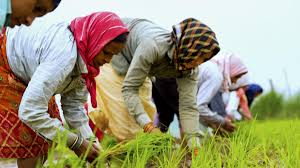
Women are increasingly being recognized as a driving force behind global agriculture, food production, and rural development. In 2026, the spotlight has turned even more strongly toward women farmers as governments, international organizations, and agricultural institutions work to strengthen their role in ensuring food security and sustainable agricultural growth.
The Food and Agriculture Organization (FAO) has emphasized the importance of empowering women in agriculture, highlighting their contribution to crop production, livestock management, fisheries, and rural enterprises. Across many developing countries, women account for a significant share of the agricultural workforce and play a critical role in feeding families and supporting local economies.
Despite their contributions, women farmers often face challenges such as limited access to land ownership, agricultural credit, quality seeds, modern technologies, training programs, and market opportunities. Experts believe that closing these gaps could substantially increase agricultural productivity and improve food security for millions of people worldwide.
International agencies are encouraging governments to adopt policies that provide equal access to resources, agricultural extension services, digital farming technologies, and financial support. Several countries have already launched initiatives aimed at improving women’s participation in agricultural decision-making and leadership roles within farming communities.
Agricultural researchers also point out that empowering women farmers can have broader social benefits. Studies show that when women have greater control over farm income and resources, households often invest more in nutrition, education, and healthcare, contributing to stronger rural communities.
Technology is also playing an important role in supporting women farmers. Mobile-based advisory services, digital marketplaces, climate-smart farming tools, and access to online training programs are helping women improve farm productivity and adapt to changing weather conditions.
As climate change, population growth, and food security challenges continue to put pressure on global agriculture, experts stress that women farmers will remain essential to building resilient food systems. Greater investment in women’s agricultural participation is increasingly viewed as a key strategy for achieving sustainable development goals and ensuring long-term global food security.
Key Highlights
- Women make up a significant portion of the global agricultural workforce.
- Access to land, finance, technology, and training remains a major challenge.
- Empowering women farmers can boost agricultural productivity and food security.
- Digital agriculture is creating new opportunities for women in rural areas.
- Governments and international organizations are increasing support for gender-inclusive agricultural development.
Women farmers are not only contributing to agricultural production but are also helping shape the future of global food systems, making their empowerment a critical priority for sustainable agriculture worldwide.


 By
By











