The U.S. Department of Agriculture (USDA) has announced the reinstatement of an additional prevented-planting insurance option, giving insured farmers greater protection against situations in which they are unable to plant their crops because of covered causes of loss.
Under the new provision, eligible insured producers will once again be able to purchase an additional 5% prevented-planting coverage. The option will begin with crops associated with the August 31 filing date for the 2027 crop year and later crop years, providing producers with an additional tool to manage production risks.
The announcement comes as farmers increasingly face uncertainty from extreme weather, excessive rainfall, drought and other conditions that can prevent timely planting.
Additional Protection for Farmers
Prevented planting coverage is an important component of the U.S. federal crop insurance system. It provides financial protection when producers are unable to plant an insured crop by the applicable final planting date, or within an allowed late-planting period, because of an insured cause of loss.
The additional 5% option can increase the level of protection available to qualifying producers who choose to purchase it. For farmers operating on large acreages, even a relatively small increase in coverage can provide meaningful additional financial support when severe weather prevents planting.
The reinstatement therefore gives producers greater flexibility when planning their crop insurance coverage for future production seasons.
Weather Risks Increasing
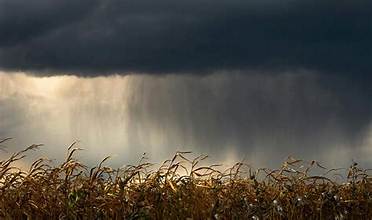
Weather remains one of the biggest risks facing U.S. agriculture. Heavy rainfall, flooding and wet field conditions can prevent farmers from entering fields during critical planting windows.
At the opposite extreme, drought can reduce soil moisture and make planting difficult. Severe storms, hurricanes and other weather events can also disrupt planting operations and damage agricultural infrastructure.
When planting is delayed beyond the permitted period, farmers may have to make difficult decisions about whether to plant a different crop, plant later than planned or leave acreage unplanted.
Additional prevented-planting coverage can help reduce some of the financial uncertainty associated with these decisions.
Importance of Crop Insurance
Crop insurance is a key risk-management tool for U.S. farmers. It helps producers manage the financial consequences of events beyond their control and can provide greater stability from one production year to another.
Agricultural production involves significant upfront investment in land preparation, seed, fertilizer, machinery, fuel and labour. When weather prevents planting, much of that planned investment can be affected before a crop even enters the field.
Insurance protection can therefore help farmers maintain financial stability during difficult growing seasons.
What the 5% Option Means
The reinstated option allows eligible insured producers to purchase an additional amount of prevented-planting coverage equal to 5% of the applicable crop insurance coverage, subject to the program’s rules and eligibility requirements.
The additional protection is not automatic. Producers must elect and purchase the option according to applicable crop insurance requirements and deadlines.
Farmers are expected to work with their crop insurance agents to determine whether the additional coverage is available for their crops and whether it fits their individual risk-management needs.
Benefits for Farm Planning
The reinstatement could also improve farmers’ ability to plan for increasingly unpredictable weather conditions. By having access to additional insurance protection, producers may have greater confidence when making planting and investment decisions.
The measure is particularly relevant as climate variability creates greater uncertainty around planting conditions in many agricultural regions.
However, insurance is only one part of a broader risk-management strategy. Farmers can also reduce exposure through crop diversification, improved soil management, drainage and irrigation infrastructure, weather monitoring and careful planting decisions.
Support for a More Resilient Farm Sector
The USDA’s decision reflects the continuing importance of providing farmers with tools to manage production risks. As weather events become more disruptive to agricultural operations, flexible crop insurance options can help producers withstand financial shocks.
The additional 5% prevented-planting coverage will be available beginning with crops associated with the August 31 filing date for the 2027 crop year and subsequent crop years.
For U.S. farmers, the reinstated option offers another layer of protection against one of the most costly agricultural risks: being unable to plant a crop at all. As producers prepare for future growing seasons, the additional coverage could play an important role in strengthening farm-level financial resilience and supporting the stability of U.S. agricultural production.

 By
By