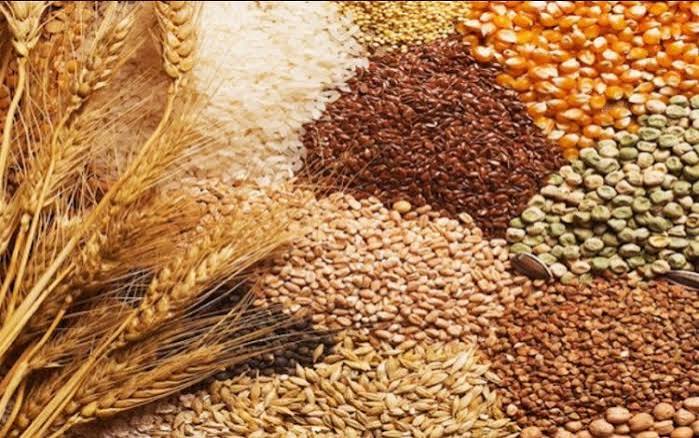
The global cereal market is witnessing a mixed demand outlook, with the latest projections pointing to a downward revision in wheat utilization alongside a continued increase in global rice consumption. According to the latest cereal outlook from the Food and Agriculture Organization of the United Nations (FAO), global wheat utilization for the 2026/27 season is now forecast at 802.5 million tonnes, representing a reduction of 3.6 million tonnes from the previous estimate.
The revision indicates that global wheat demand may be somewhat weaker than previously expected. Wheat utilization covers a combination of food, feed and industrial uses, and changes in these categories can significantly influence international trade and prices.
The lower forecast comes as global wheat markets continue to respond to changing supply-and-demand conditions. Large harvest expectations in several major producing countries, shifts in livestock feed demand and developments in international trade are among the factors that can influence wheat consumption and prices.
For wheat-producing and exporting countries, a reduction in projected global utilization could create additional pressure on markets if supplies remain abundant. Exporters may face stronger competition as countries seek to secure buyers in an environment of relatively comfortable availability.
In contrast, the outlook for global rice utilization is strengthening. FAO expects worldwide rice utilization to reach a record 558.2 million tonnes, highlighting the continued importance of rice in global food consumption.
Rice is a staple food for billions of people, particularly across Asia and other developing regions. Rising population, changing dietary patterns and continued demand for staple foods are supporting long-term consumption. The record utilization forecast also demonstrates the importance of rice production in maintaining global food security.
The contrasting outlook for wheat and rice illustrates the diverse trends within the global cereal sector. While wheat demand is being revised lower, rice consumption is moving toward a new record. Such differences can influence planting decisions, trade flows, stock levels and agricultural policies in major producing countries.
International trade will remain an important component of the cereal market. Major exporters and importers will closely monitor changes in consumption forecasts because even relatively small adjustments in global demand can affect commodity prices and trade volumes.
For farmers, the changing cereal outlook could influence decisions about crop allocation and marketing strategies. Higher expected rice utilization may provide a supportive demand environment for rice producers, while weaker wheat consumption could contribute to increased competition among suppliers.
The global cereal market is also facing uncertainty from weather conditions, climate-related risks, input costs and geopolitical developments. Production disruptions in one major exporting region can quickly affect global availability and prices, making accurate consumption and production forecasts increasingly important.
The latest FAO outlook therefore presents a two-sided picture of the global cereal economy. Wheat utilization is being adjusted downward to 802.5 million tonnes, while rice utilization is projected to reach a record 558.2 million tonnes.
These figures underline the changing dynamics of global food demand and highlight the need for producers, traders and policymakers to closely monitor both consumption patterns and supply conditions as the 2026/27 marketing season progresses.

 By
By