Australia’s agricultural sector is approaching a significant milestone, with the value of agricultural production being discussed around the A$100 billion level. The achievement reflects the strength and scale of the country’s farming and food-production industries. However, industry analysts are cautioning that rising production value does not necessarily mean farmers are seeing a corresponding increase in profits.
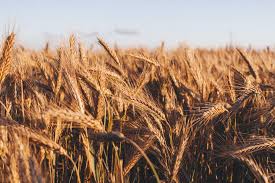
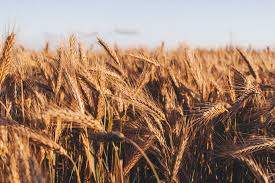
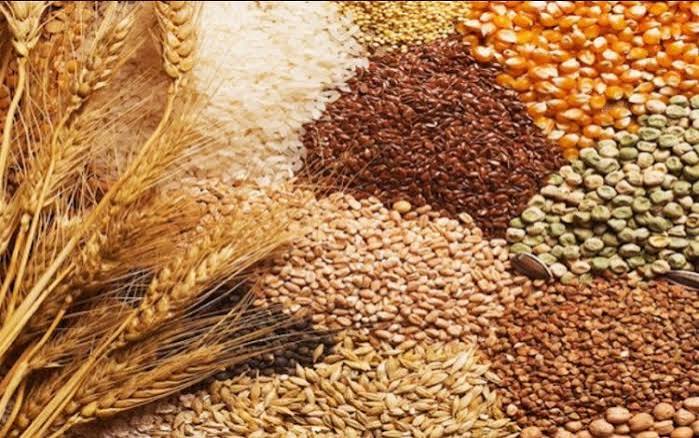
Australia is a major agricultural producer and exporter, supplying commodities such as wheat, barley, beef, dairy products, wool, cotton, sugar and horticultural produce to markets around the world. Strong production volumes and export demand have helped increase the overall value generated by the agricultural sector.
The A$100 billion level represents an important benchmark for Australian agriculture. It demonstrates the sector’s contribution to the national economy and highlights the increasing value of agricultural commodities and food products. However, the headline production figure only provides part of the picture when assessing the financial health of farmers.
For producers, farm profitability depends on the difference between revenue and production costs. Even when the value of agricultural output increases, farmers may not necessarily earn more if expenses rise at the same time.
Input costs remain a major consideration for Australian producers. Expenses associated with fuel, fertiliser, seed, chemicals, machinery, labour, transport and finance can significantly affect farm margins. Higher costs can absorb much of the additional revenue generated by stronger production or commodity prices.
Weather is another important factor influencing profitability. Australia’s agricultural sector is highly exposed to drought, floods, heatwaves and other extreme weather events. A favourable season can generate substantial production, while adverse conditions can quickly reduce yields and increase financial pressure on farming businesses.
Global commodity markets also play a major role. Australian farmers operate in an international marketplace where prices are influenced by global supply and demand, exchange rates, geopolitical developments and production levels in competing exporting countries.
For example, a strong harvest does not always guarantee higher returns. If global supplies are also large, increased production can contribute to lower commodity prices. Farmers may therefore produce more while receiving relatively limited financial benefit from additional output.
This distinction between production value and farm profitability is becoming increasingly important for agricultural policy discussions. Industry representatives argue that measuring the success of agriculture should involve more than simply tracking the gross value of production. Indicators such as farm income, operating costs, productivity and returns on investment provide a clearer picture of farmers’ economic conditions.
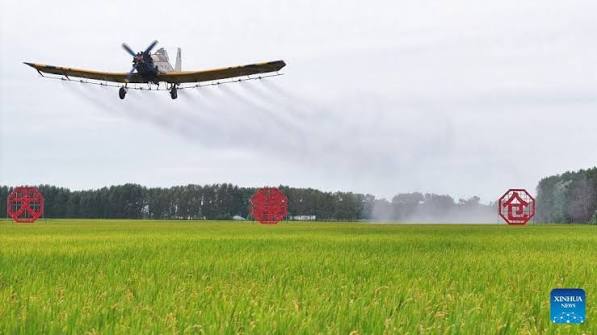
Technology and innovation could help address some of these challenges. Precision agriculture, automation, improved genetics, data-driven farm management and efficient irrigation systems can potentially help producers increase productivity while using inputs more efficiently.
Market diversification is another potential strategy. Expanding access to premium international markets and developing higher-value processed agricultural products could provide additional opportunities for Australian producers and agribusinesses.
The sector’s progress toward the A$100 billion production milestone is therefore an important achievement, but it also raises a broader question: how much of that value ultimately reaches farmers as sustainable income?
For Australian agriculture, the focus is increasingly shifting from simply producing more to producing more efficiently and profitably. Ensuring that farmers can convert strong production performance into sustainable returns will be crucial for the long-term resilience and competitiveness of the country’s agricultural sector.
The milestone highlights the strength of Australian agriculture, while the profitability debate serves as a reminder that higher production value and higher farmer income are not necessarily the same thing.


 By
By