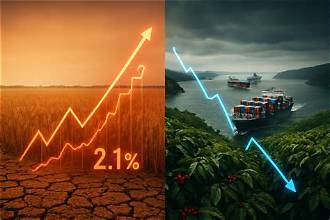
British farmers are increasingly concerned that climate change and rising production costs are making it more difficult to maintain domestic food production. Drought, extreme weather, expensive agricultural inputs and infrastructure challenges are creating additional pressure on farms, while declining domestic self-sufficiency is increasing the UK’s reliance on food imported from overseas.
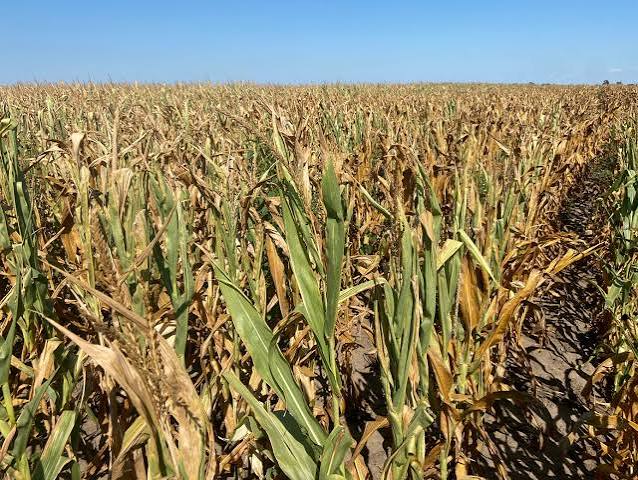
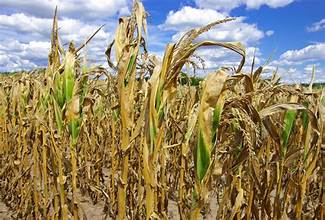
Weather-related challenges have become a major concern for farmers across the country. Periods of drought can reduce water availability and damage crops, while excessive rainfall and flooding can delay planting, damage fields and make harvesting more difficult. Unpredictable weather patterns also make it harder for farmers to plan their production cycles and manage risks effectively.
The changing climate is particularly challenging for crops that require reliable moisture during key stages of development. Extended dry periods can reduce yields and affect crop quality, while sudden heavy rainfall can cause soil erosion, waterlogging and nutrient losses. These problems can increase production costs and reduce the amount of food available from domestic farms.
Rising fertilizer prices are adding to the pressure. Fertilizers are essential for maintaining crop productivity, but their prices are closely linked to energy and global commodity markets. When fertilizer costs increase, farmers may face difficult decisions about application rates and crop choices. Reducing fertilizer use can lower expenses, but excessive reductions may also affect yields.
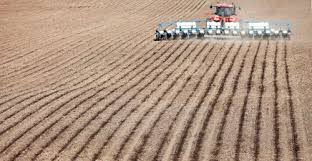
Fuel costs are another significant concern. Agricultural machinery is essential for planting, cultivation and harvesting, while fuel is also required for transporting agricultural products. Higher diesel prices can therefore increase expenses throughout the production process.
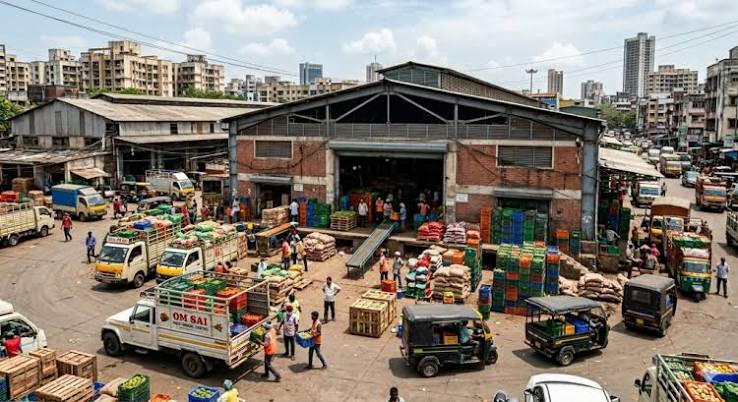
Infrastructure limitations are creating additional challenges. Efficient roads, storage facilities, irrigation systems, drainage networks and processing capacity are important for a strong domestic food system. Where infrastructure is inadequate, farmers can face higher costs and greater difficulties moving and storing their produce.
These pressures are occurring alongside concerns about the UK’s declining food self-sufficiency. A greater dependence on imports means that disruptions in international markets can have a stronger impact on domestic food availability and prices. Global weather events, geopolitical conflicts, trade restrictions and transportation problems can all affect the flow of imported food.
Farmers argue that strengthening domestic production will require long-term investment and supportive agricultural policies. Improvements in water management, climate-resilient farming techniques, soil health, agricultural research and rural infrastructure could help producers adapt to changing conditions.
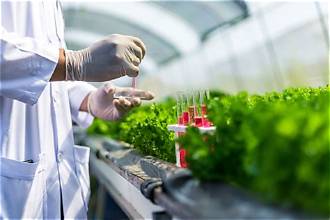
Technology could also contribute to improving farm resilience. Precision agriculture, improved weather forecasting, efficient irrigation, data-driven crop management and the development of varieties better suited to changing environmental conditions could help farmers maintain productivity while managing resources more efficiently.
However, adapting to climate change will require more than technological solutions. Farmers need predictable policies, access to finance and functioning supply chains to make long-term investments. Support for infrastructure and research will also be important as environmental and economic pressures continue to evolve.
The challenges facing British agriculture demonstrate the close relationship between climate resilience and food security. Maintaining a strong domestic farming sector can reduce exposure to disruptions in international food markets while supporting rural economies.
For the UK, the growing difficulties faced by farmers underline the need to balance environmental goals with the practical requirements of food production. Without effective adaptation and investment, climate-related risks and rising input costs could continue to place pressure on domestic output and increase reliance on imported food.

 By
By