

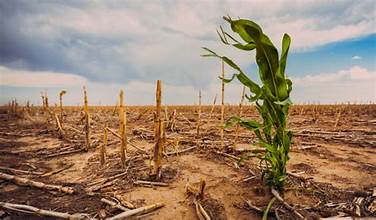
Climate change is increasingly emerging as one of the biggest threats to global agriculture, with extreme weather events disrupting farming activities across continents. Rising temperatures, prolonged droughts, heatwaves, and unpredictable rainfall patterns are significantly affecting crop yields and livestock productivity, raising serious concerns about the long-term stability of global food systems.
Across regions, farmers are struggling to cope with changing climatic conditions. Extended drought periods are reducing soil moisture, making it difficult for crops such as wheat, maize, and rice to grow effectively. In many areas, water scarcity is limiting irrigation, further lowering agricultural output. At the same time, sudden and intense rainfall events are causing floods that damage crops, erode soil, and disrupt planting cycles.
Heatwaves are another growing challenge. High temperatures can stress crops during critical growth stages, reducing yields and affecting quality. Livestock are also highly vulnerable, as extreme heat can lead to lower milk production, reduced weight gain, and increased mortality rates. These impacts are particularly severe in regions that already experience high temperatures and limited resources.
The cumulative effect of these climate-related disruptions is a decline in overall agricultural productivity. Lower yields mean reduced food availability, which can contribute to rising food prices and increased food insecurity, especially in vulnerable regions. Countries that depend heavily on agriculture for both livelihoods and economic stability are facing heightened risks.
Organizations such as the Food and Agriculture Organization (FAO) have repeatedly warned that climate change could reverse decades of progress in global food security if urgent action is not taken. The challenge is not only to maintain current production levels but also to meet the growing food demand of an increasing global population.
Farmers and governments are beginning to adopt climate-resilient practices to mitigate these risks. These include the use of drought-resistant crop varieties, improved water management techniques, and diversification of crops to reduce dependency on a single source of income. Technological innovations such as precision farming and weather forecasting tools are also helping farmers make better decisions.
However, adaptation alone may not be enough. Experts emphasize the need for broader structural changes, including investment in sustainable agriculture, reduction of greenhouse gas emissions, and stronger global cooperation. Building resilient food systems will require coordinated efforts at local, national, and international levels.
The ongoing impact of climate change highlights the fragility of global agriculture. As extreme weather events become more frequent and intense, ensuring food security will remain a major challenge. The coming years will be critical in determining how effectively the world can adapt to these changes and protect the future of farming.


 By
By











