

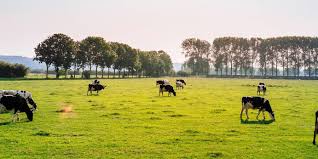
Brussels: A recent policy study has brought renewed attention to subsidy allocation patterns within the European Union, revealing that beef and lamb production receive significantly higher financial support compared to legumes and plant-based protein crops. The findings have sparked debate over long-term sustainability goals, climate commitments, and dietary transition strategies in global agriculture.
Under the bloc’s Common Agricultural Policy (CAP), livestock sectors—particularly cattle and sheep—benefit from a combination of direct payments, coupled support schemes, and rural development funding. In contrast, protein-rich crops such as peas, lentils, and beans receive comparatively modest assistance, despite their lower greenhouse gas footprint and soil-enhancing properties.
Policy analysts argue that the imbalance may conflict with the EU’s broader environmental objectives, including those outlined in the European Green Deal and Farm to Fork Strategy. Livestock production is associated with higher methane emissions and land-use intensity, while legumes contribute to nitrogen fixation and reduced reliance on synthetic fertilizers.
The study suggests that existing subsidy structures could inadvertently shape production incentives and consumer supply chains, reinforcing meat-heavy output patterns rather than encouraging diversified protein systems. As global markets increasingly prioritize climate resilience and sustainable food systems, questions are emerging over whether current funding allocations align with long-term policy ambitions.
Agricultural stakeholders, however, caution that livestock farming supports rural employment, cultural traditions, and regional economies across many member states. Any major restructuring of subsidy frameworks would require balancing environmental goals with socio-economic stability for farmers.
The findings come at a time when global debates over dietary shifts and sustainable protein sources are intensifying. With rising interest in plant-based alternatives and regenerative farming practices, policymakers may face mounting pressure to reassess incentive mechanisms under future CAP reforms.
Observers note that potential adjustments to subsidy distribution could influence not only EU production patterns but also international trade flows, given the bloc’s significant role in global agricultural markets.


 By
By











