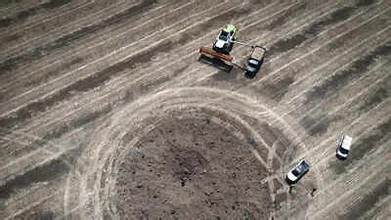
A recent report by the United Nations has raised serious concerns about the future of global food systems, warning that rising temperatures and extreme heat events are pushing agriculture toward a critical tipping point. The findings highlight growing risks to crop production, livestock health, and farmer livelihoods across continents, underlining the urgent need for coordinated global action.
According to the report, the accelerating impact of Climate Change is causing more frequent and intense heatwaves, which are directly affecting agricultural productivity. Key staple crops such as wheat, rice, and maize are highly sensitive to temperature fluctuations, particularly during flowering and grain-filling stages. Even short periods of extreme heat can significantly reduce yields, leading to supply shortages and price volatility.
Livestock systems are also under pressure. Prolonged exposure to high temperatures can reduce feed intake, lower milk production, and increase the risk of disease among animals. In many regions, heat stress is already emerging as a major constraint on dairy and meat production, threatening the stability of protein supply chains.
The report further notes that smallholder farmers—who make up a large portion of the global agricultural workforce—are among the most vulnerable. Limited access to irrigation, technology, and financial resources makes it difficult for them to adapt to changing climatic conditions. As a result, income instability and food insecurity are becoming more widespread, particularly in developing countries.
Water scarcity is another critical concern highlighted in the findings. Rising temperatures are accelerating evaporation rates and depleting water resources, making irrigation increasingly challenging. In several agricultural hotspots, declining groundwater levels and erratic rainfall patterns are compounding the problem, putting additional strain on already fragile farming systems.
Experts emphasize that without immediate intervention, the cumulative effects of extreme heat could disrupt global food supply chains. This may lead to increased dependence on imports for many countries, higher food prices, and greater vulnerability to market shocks. The situation is particularly concerning given the rising global population and the corresponding increase in food demand.
To address these challenges, the report calls for a rapid transition toward climate-resilient and sustainable agricultural practices. This includes the development of heat-tolerant crop varieties, improved water management techniques, and the adoption of agroecological approaches that enhance ecosystem resilience. Investment in early warning systems and climate-smart technologies is also seen as critical for reducing risks.
Policy reforms and international cooperation will play a key role in mitigating the crisis. Strengthening agricultural research, expanding financial support for farmers, and improving access to climate data can help build resilience at both local and global levels. The report also stresses the importance of reducing greenhouse gas emissions from agriculture to limit further warming.
In conclusion, the UN’s warning serves as a stark reminder that global food security is increasingly intertwined with climate dynamics. As extreme heat continues to reshape agricultural landscapes, urgent and sustained efforts will be required to protect food systems, support farmers, and ensure a stable supply of food for future generations.


 By
By