

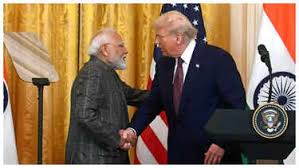
India’s Agriculture Minister has reiterated that the India–U.S. trade agreement fully safeguards the interests of Indian farmers, particularly in sensitive sectors such as agriculture and dairy, while still creating space for expanded export opportunities. The statement comes amid ongoing discussions and public debate over the potential impact of bilateral trade arrangements on domestic farm livelihoods.
According to the minister, India has maintained a clear and firm position in negotiations with the United States, ensuring that core agricultural and dairy interests remain protected. He emphasised that no commitments have been made that would expose Indian farmers to unfair competition or undermine existing support systems for small and marginal producers, who form the backbone of the country’s agricultural economy.
The dairy sector, considered politically and economically sensitive, remains fully insulated under the agreement. India has consistently resisted opening its dairy market to large-scale imports, citing concerns over farmer incomes, rural employment, and food safety standards. The minister reaffirmed that these safeguards remain intact and that India’s cooperative-based dairy model will not be compromised under the current trade framework.
At the same time, the agreement seeks to expand market access for select Indian agricultural products in the U.S. market. Value-added food products, processed agricultural goods, and certain commodities with export potential are expected to benefit from improved trade facilitation and reduced non-tariff barriers. Officials view this as an opportunity to enhance farm-linked exports without exposing domestic producers to undue risk.
The government has also highlighted that India’s trade policy approach prioritises balanced engagement, where export growth is aligned with domestic food security and farmer welfare objectives. Any concessions are evaluated carefully to ensure they do not distort local markets or depress farmgate prices.
Agricultural experts note that India’s stance reflects a broader strategy of cautious trade liberalisation. With rising input costs, climate-related risks, and income pressures already affecting farmers, policymakers remain wary of trade measures that could add further volatility to rural economies.
The reaffirmation by the Agriculture Minister is expected to reassure farmer organisations and cooperatives that concerns raised in past trade discussions have been addressed. As India continues to deepen its economic engagement with the United States, the focus, officials say, will remain on protecting domestic agriculture while selectively leveraging global markets to improve farm incomes and export competitiveness.


 By
By











