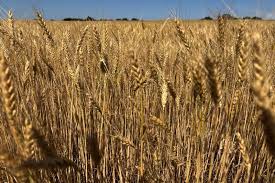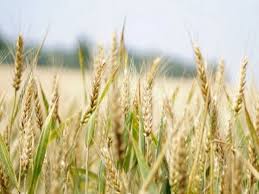
India is poised to witness a notable rise in wheat cultivation this season, with farmers across major grain-producing states preparing to expand acreage by nearly 5 percent. The projected increase comes on the back of improved soil moisture conditions following widespread and timely rains in October, providing a strong foundation for the country’s primary winter crop.
According to early field assessments, many wheat-growing regions in states such as Punjab, Haryana, Uttar Pradesh, Madhya Pradesh and Rajasthan have benefited significantly from the heavy October showers. The rainfall has helped replenish soil moisture levels that were previously depleted due to erratic monsoon patterns. For farmers, this natural recharge reduces dependence on early irrigation, lowers input costs and enhances the prospects of achieving higher yields.
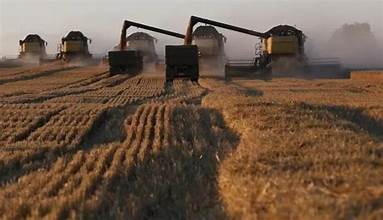
Agriculture experts note that when the soil retains adequate moisture at the onset of the sowing season, wheat germination tends to be more uniform, and the crop establishes better root systems. This not only supports the plant during its growth cycle but also increases the potential for a bumper harvest. The positive weather trend has encouraged a large number of cultivators to bring additional land under wheat, contributing to what could become the highest-ever acreage for the crop in India.
The rise in wheat planting also holds broader importance for the country’s food security and price stability. Over the past year, wheat supplies came under pressure due to lower production in some regions and high procurement demand. An expansion in acreage provides an opportunity to bridge supply gaps, ease pressure on market prices and strengthen government stocks for public distribution schemes.
Farmers, too, are hopeful that the favourable start to the season will translate into better returns. Improved moisture means less initial expenditure on irrigation, while expanded cultivation increases total output potential. Many are also optimistic about the possibility of supportive market prices if production conditions remain steady through the winter months.
However, agricultural scientists caution that the final outcome will still depend on weather patterns in the coming weeks. Wheat is sensitive to extreme temperatures, and unseasonal rains or heatwaves during the grain-filling stage can affect yield. Even so, the groundwork laid by October’s rains has set a strong stage for the season.
With sowing activities accelerating across northern and central India, stakeholders remain cautiously optimistic. If conditions continue to hold, the country may be headed for one of its most successful wheat seasons in recent years, reinforcing India’s position as a leading global producer of the staple crop.


 By
By