Escalating fertilizer and diesel prices continue to squeeze farm profitability across the globe, forcing producers to rethink crop planning, production strategies, and investment decisions ahead of upcoming planting seasons. The financial strain is particularly evident in South America, where growers are reassessing acreage for major crops such as corn and soybeans, two of the world’s most important agricultural commodities.
Agricultural economists warn that the sustained rise in input costs is increasing uncertainty across global farming markets. Fertilizers and fuel represent two of the largest production expenses for most farmers, and higher prices are significantly raising the cost of cultivating crops. As margins shrink, many producers are reconsidering the scale of their operations, delaying purchases of farm inputs, or shifting toward crops that require lower production costs.
South America plays a crucial role in global food and feed supplies, with countries such as Brazil and Argentina ranking among the world’s largest exporters of soybeans, corn, soybean meal, and vegetable oils. Any reduction in planting or crop productivity in the region could influence international commodity markets, affecting food processors, livestock producers, and consumers around the world.
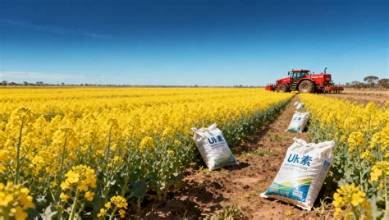
The rising cost of fertilizers has become a major concern for producers. Nitrogen, phosphate, and potash fertilizers are essential for achieving high crop yields, particularly for nutrient-demanding crops like corn. However, elevated global fertilizer prices have forced many farmers to reduce application rates or seek more cost-effective nutrient management strategies. While these adjustments may lower production expenses in the short term, agricultural experts caution that insufficient fertilizer use can reduce crop yields and affect soil fertility over time.
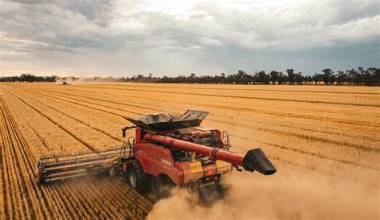
Diesel prices are adding another layer of financial pressure. Modern agriculture depends heavily on fuel for land preparation, planting, irrigation, harvesting, and transporting crops to storage facilities and export terminals. Higher diesel costs increase operational expenses throughout the agricultural value chain, reducing overall farm profitability and making agricultural production more expensive.
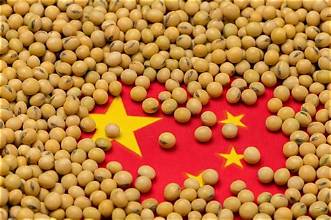
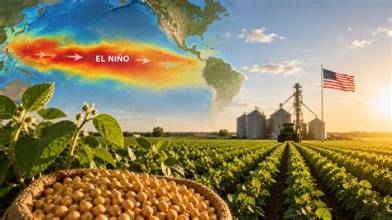
As producers evaluate the economics of different crops, soybeans are increasingly being viewed as a comparatively attractive option in some regions because they generally require lower nitrogen fertilizer inputs than corn. This shift in planting decisions could alter crop acreage patterns and influence future global supplies of grains and oilseeds.
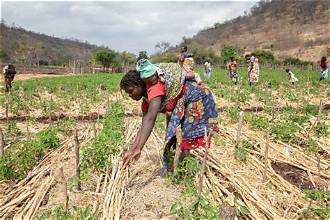
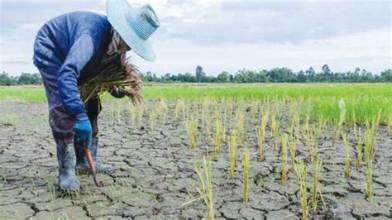
Input cost inflation is also affecting farmers beyond South America. Producers across North America, Europe, Asia, and Africa are facing similar challenges as energy prices, transportation costs, and fertilizer markets remain volatile. Smallholder farmers in developing countries are particularly vulnerable because they often have limited access to affordable credit and agricultural inputs, making it difficult to absorb rising production expenses.
Agricultural analysts note that global fertilizer markets remain sensitive to geopolitical developments, energy prices, and supply chain disruptions. Since natural gas is a key raw material in nitrogen fertilizer production, fluctuations in energy markets continue to influence fertilizer manufacturing costs and international prices. At the same time, higher shipping costs and logistical challenges have increased the overall expense of delivering agricultural inputs to farming regions worldwide.
Governments and agricultural organizations are encouraging producers to adopt more efficient nutrient management practices to reduce costs while maintaining productivity. Precision agriculture technologies, soil testing, balanced fertilizer application, and integrated crop nutrition management are being promoted as practical solutions to improve fertilizer efficiency and optimize farm expenditures.
Many farmers are also investing in fuel-efficient machinery, conservation tillage, and renewable energy technologies to reduce dependence on diesel and improve long-term operational sustainability. Although these investments require initial capital, experts believe they can help strengthen farm resilience against future input price volatility.
Agricultural markets are expected to closely monitor planting decisions across South America in the coming months, as changes in corn and soybean acreage could significantly influence global grain supplies, export volumes, and commodity prices. Weather conditions during the growing season will further determine whether producers can offset higher costs through improved yields.
Despite the ongoing financial pressures, industry experts remain optimistic that technological innovation, improved farm management practices, and supportive government policies can help farmers adapt to rising input costs. However, they caution that continued volatility in fertilizer and fuel markets will remain one of the most significant challenges facing global agriculture in the years ahead, requiring coordinated efforts to ensure sustainable food production and long-term farm profitability.

 By
By