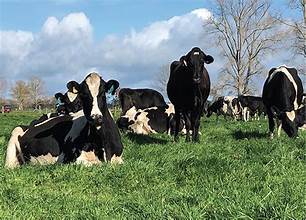
New Zealand has reaffirmed its position as the world’s leading single-country dairy exporter, accounting for 22.1% of global dairy exports in 2025, according to Rabobank’s 2026 World Dairy Map. The report highlights the country’s continued dominance in international dairy trade, driven by its efficient pasture-based production system, high-quality dairy products, and strong demand from key global markets.
Despite representing a relatively small share of global milk production, New Zealand remains a powerhouse in dairy exports due to its export-oriented industry. A significant proportion of the country’s milk production is processed and shipped overseas, supplying consumers in more than 130 countries. Dairy products continue to be one of New Zealand’s largest export earners, contributing substantially to the nation’s economy and rural livelihoods.
The Rabobank report notes that New Zealand maintained its leadership despite increasing competition from other major dairy-exporting regions, including the European Union, the United States, and Australia. Strong production efficiency, a well-developed processing industry, and an established global reputation for quality have enabled the country to retain its competitive advantage in international markets.
Whole milk powder remains New Zealand’s flagship dairy export, followed by butter, cheese, skim milk powder, and various dairy ingredients used in food manufacturing. These products are widely supplied to markets across Asia, the Middle East, Africa, and Latin America, where demand for dairy continues to expand alongside population growth and rising household incomes.
China continues to be one of New Zealand’s most important dairy trading partners, importing significant volumes of milk powder and other dairy products to meet domestic consumption needs. Other major export destinations include Southeast Asian countries, the Middle East, and several emerging markets, where demand for premium dairy products has remained resilient.
Industry analysts attribute New Zealand’s export success to its grass-fed dairy production model, advanced farm management practices, and strong biosecurity standards. The country’s dairy sector has also invested heavily in sustainability initiatives, including improved water management, greenhouse gas reduction, and environmentally responsible farming practices to meet evolving consumer expectations and international market requirements.
The report also highlights that global dairy trade continues to evolve as changing consumer preferences, climate variability, and supply chain dynamics influence production and demand patterns. While some regions face production challenges due to extreme weather conditions and rising input costs, New Zealand’s efficient production system has enabled it to remain a reliable supplier to global markets.
Experts believe the country’s leadership in dairy exports strengthens its influence in international agricultural trade and reinforces its reputation as a trusted supplier of high-quality dairy products. Continued investment in innovation, genetics, animal health, and sustainable farming practices is expected to support long-term growth and maintain New Zealand’s competitive position.
Looking ahead, global demand for dairy products is projected to remain robust, particularly in developing economies where rising incomes and urbanization are driving higher consumption of milk, cheese, butter, and dairy ingredients. This trend presents further opportunities for New Zealand’s dairy industry to expand its market presence while adapting to changing sustainability and environmental standards.
With a 22.1% share of global dairy exports in 2025, New Zealand continues to set the benchmark for international dairy trade. The findings of Rabobank’s 2026 World Dairy Map underscore the country’s enduring strength in the global dairy sector and its critical role in supplying nutritious dairy products to consumers around the world.

 By
By