

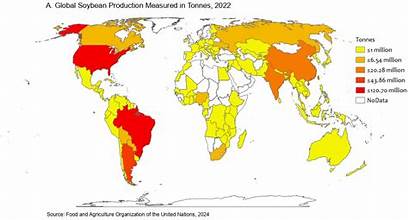
Global soybean production has reached a record level of over 427 million tons, reflecting robust agricultural performance in key producing nations and sustained demand from the livestock and feed industries. The surge has been largely driven by bumper harvests in Brazil and Paraguay, reinforcing South America’s dominance in the global soybean market.
Brazil, the world’s largest soybean producer, has reported exceptional yields this season, supported by favorable weather conditions, expanded cultivation areas, and improved farm management practices. Similarly, Paraguay has recorded strong output, benefiting from stable climatic conditions and increasing investment in agricultural technologies. Together, these countries have significantly boosted global supply, helping to stabilize international markets.
Soybeans play a critical role in global agriculture, primarily as a key ingredient in animal feed. The growing demand for meat, dairy, and poultry products—especially in emerging economies—has fueled the need for high-protein feed, with soybean meal being a central component. This rising consumption trend continues to underpin strong global demand for soybeans despite fluctuations in other commodity markets.
In addition to feed, soybeans are widely used in the production of vegetable oil and biofuels, further strengthening their importance in global trade. The expanding biofuel sector, particularly in countries seeking to reduce dependence on fossil fuels, is contributing to sustained demand growth. As a result, soybeans remain one of the most strategically significant agricultural commodities worldwide.
The increase in production is also influencing global trade dynamics. Major exporting countries are expected to capitalize on the higher output by expanding shipments to key importing regions such as China, Southeast Asia, and parts of Europe. Increased supply may help ease price pressures in the short term, offering some relief to feed manufacturers and livestock producers.
However, experts caution that the outlook is not without risks. Climate variability remains a persistent threat, with the potential to disrupt future harvests through droughts, floods, or extreme weather events. Additionally, logistical challenges, including transportation bottlenecks and port congestion, could affect the timely movement of large volumes of soybeans to international markets.
Environmental concerns are also gaining attention, particularly regarding deforestation and land-use changes linked to soybean expansion in parts of South America. Policymakers and industry stakeholders are under increasing pressure to balance production growth with sustainable practices to minimize ecological impact.
Despite these challenges, the current rise in global soybean production reflects the resilience and adaptability of the agricultural sector. With demand expected to remain strong, particularly from the livestock industry, soybeans are likely to continue playing a pivotal role in ensuring food and feed security worldwide.
As global markets adjust to the increased supply, the focus will remain on maintaining productivity while addressing sustainability concerns and ensuring stable trade flows in the years ahead.


 By
By











