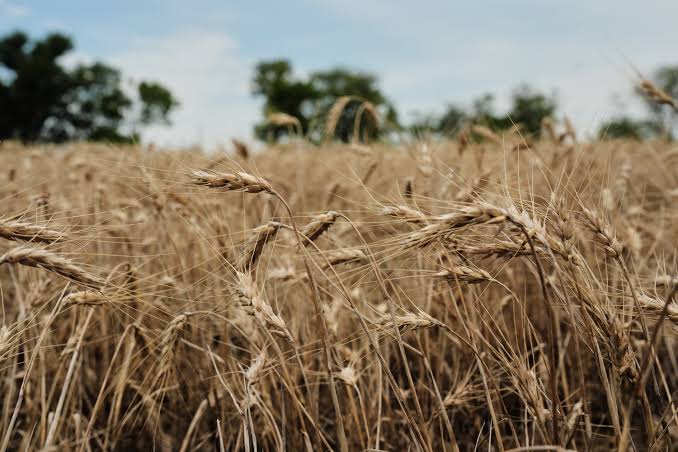
Food companies are being urged to strengthen their preparedness for climate-related disruptions after a new analysis warned that many businesses may be underestimating the risks facing agricultural supply chains.
Climate hazards such as droughts, floods, wildfires and pest outbreaks are becoming an increasingly important concern for the global food industry. The analysis highlights that these threats do not always occur independently. Multiple hazards can emerge at the same time or in quick succession, potentially creating much larger disruptions to agricultural production and food markets than conventional risk models anticipate.
Multiple Climate Hazards Can Hit at the Same Time
Traditional assessments of agricultural risk often examine individual hazards separately. However, real-world climate events can be far more complicated.
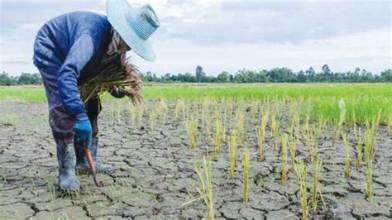
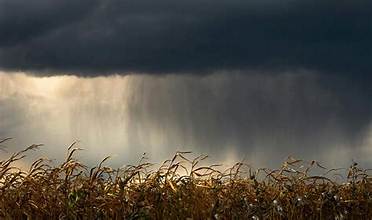
A drought can weaken crops and reduce water availability, while a subsequent heatwave or pest outbreak can further damage yields. Similarly, heavy rainfall and flooding can occur alongside disease outbreaks, disrupting both production and transportation.
When several risks occur simultaneously, the impact on agricultural supply chains can be significantly greater than the effect of any single event.
Agricultural Supply Chains Increasingly Vulnerable
Food supply chains depend on reliable agricultural production across multiple regions. Disruptions at the farm level can quickly spread through processors, traders, manufacturers, retailers and consumers.
Crop failures in major producing areas can reduce supplies of important commodities and force food companies to search for alternative sources. If several producing regions experience climate-related problems at the same time, finding replacement supplies can become considerably more difficult.
This could also increase competition for available commodities and contribute to higher raw-material costs.
Potential Impact on Food Prices
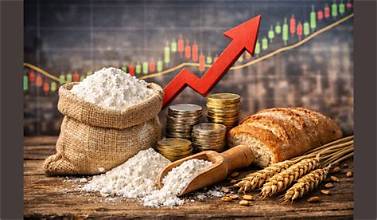
Compound climate shocks could have significant implications for global food prices.
Droughts and floods can reduce crop yields, while wildfires and pest outbreaks can further restrict supplies. If production losses occur across multiple regions, global markets may face tighter inventories and increased price volatility.
For food manufacturers, higher agricultural commodity prices can raise production costs. Companies may then face difficult decisions regarding sourcing, inventories, product prices and supply-chain management.
Conventional Models May Not Capture the Full Risk
The analysis suggests that conventional approaches to climate-risk assessment may not fully reflect the possibility of multiple hazards occurring together.
Risk models that focus primarily on individual events could underestimate the scale of potential disruption when drought, flooding, wildfire, pests or other hazards overlap.
This creates a challenge for food companies that rely on historical patterns to plan future supplies. As climate conditions become more unpredictable, businesses may need to consider a wider range of possible scenarios.
Companies Need Stronger Risk Preparedness
Food companies are increasingly being encouraged to build greater resilience into their agricultural supply chains. This could include diversifying suppliers, strengthening inventories, improving climate monitoring and developing contingency plans for major production disruptions.
Closer cooperation with farmers and agricultural suppliers could also help companies identify emerging risks earlier and respond more effectively.
Climate Resilience Becoming a Business Priority
The growing risk of compound climate shocks means climate resilience is becoming more than an environmental issue for the global food industry. It is increasingly a matter of business continuity, supply security and food-price stability.
As droughts, floods, wildfires and pest pressures continue to challenge agricultural production, companies that underestimate the combined impact of these hazards could face unexpected disruptions.
The latest warning highlights the need for food businesses to move beyond isolated climate-risk assessments and prepare for scenarios in which multiple agricultural threats occur simultaneously.

 By
By