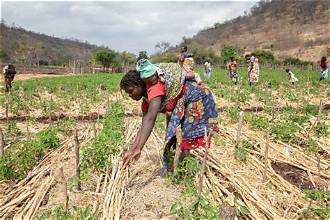
Nigeria has called on African nations to prioritize science-led agriculture by increasing investments in agricultural research, innovation, and modern technologies to enhance food security, boost productivity, and reduce the continent’s dependence on imported agricultural technologies. The appeal comes as African countries continue to face mounting challenges from climate change, population growth, food inflation, and rising demand for sustainable agricultural production.
Speaking on the future of agriculture in Africa, Nigerian officials emphasized that scientific research and technological innovation must become the foundation of the continent’s agricultural transformation. They noted that while Africa possesses abundant arable land, favorable climatic conditions, and a young workforce, agricultural productivity remains below its potential due to limited investment in research, inadequate technology adoption, and weak innovation systems.
The government stressed that strengthening national agricultural research institutions and promoting collaboration among African countries will be critical in developing locally adapted crop varieties, climate-resilient farming systems, and cost-effective technologies. Officials argued that African farmers need solutions specifically designed for local soils, weather conditions, pests, and farming practices rather than relying heavily on imported technologies that may not always suit regional needs.
Nigeria also highlighted the importance of investing in biotechnology, digital agriculture, precision farming, artificial intelligence, remote sensing, and climate-smart agricultural practices. These technologies can help farmers improve crop yields, optimize the use of water and fertilizers, monitor crop health, and reduce production risks caused by changing weather patterns.
According to experts, Africa spends billions of dollars annually importing food and agricultural technologies despite having immense agricultural resources and a growing network of research institutions. Increased domestic investment in agricultural science would not only improve food production but also stimulate innovation, create employment opportunities, and strengthen rural economies across the continent.
The call for science-driven agriculture also places emphasis on stronger partnerships between governments, universities, research organizations, private companies, and international development agencies. Such collaborations can accelerate the development and commercialization of new agricultural technologies while ensuring that innovations reach smallholder farmers through effective extension services and training programs.
Agricultural specialists believe empowering young scientists, entrepreneurs, and agri-tech startups will be essential for driving the next phase of Africa’s agricultural development. Digital platforms, mobile advisory services, improved seed technologies, and modern mechanization are increasingly transforming farming systems and making agriculture more productive and profitable.
Nigeria further encouraged African nations to increase funding for agricultural research and development, strengthen regional knowledge-sharing networks, and support policies that promote innovation-led farming. Building local capacity in agricultural science, officials said, will reduce dependence on imported technologies while enabling countries to respond more effectively to emerging challenges such as climate change, pest outbreaks, and resource scarcity.
Food security remains one of Africa’s most pressing development priorities, with millions of people vulnerable to food shortages caused by climate variability, conflicts, and supply chain disruptions. Experts believe that science-based solutions offer one of the most sustainable pathways to increasing agricultural resilience and ensuring long-term food availability across the continent.
As Africa works toward achieving greater agricultural self-reliance, Nigeria’s call for increased investment in research, innovation, and technology highlights the growing recognition that scientific advancement will play a decisive role in transforming the continent’s agriculture. By embracing home-grown innovations and strengthening research ecosystems, African nations can improve productivity, enhance food security, and build a more resilient and sustainable agricultural future.

 By
By