Recent research has revealed that the adoption of zero tillage technology in Indian agriculture is playing a key role in reducing crop residue burning, a major contributor to air pollution and public health issues. The study, which combined satellite imagery and household surveys, found that instances of residue burning have declined by over 50% in regions where zero tillage practices are being implemented.
Zero tillage, also known as no-till farming, allows farmers to sow seeds directly into the soil without plowing, leaving crop residues on the fields. This not only preserves soil structure and moisture but also provides a natural mulch that reduces the need for burning leftover crop material. By avoiding open-field burning, farmers contribute to improved air quality, reduced greenhouse gas emissions, and better public health outcomes.
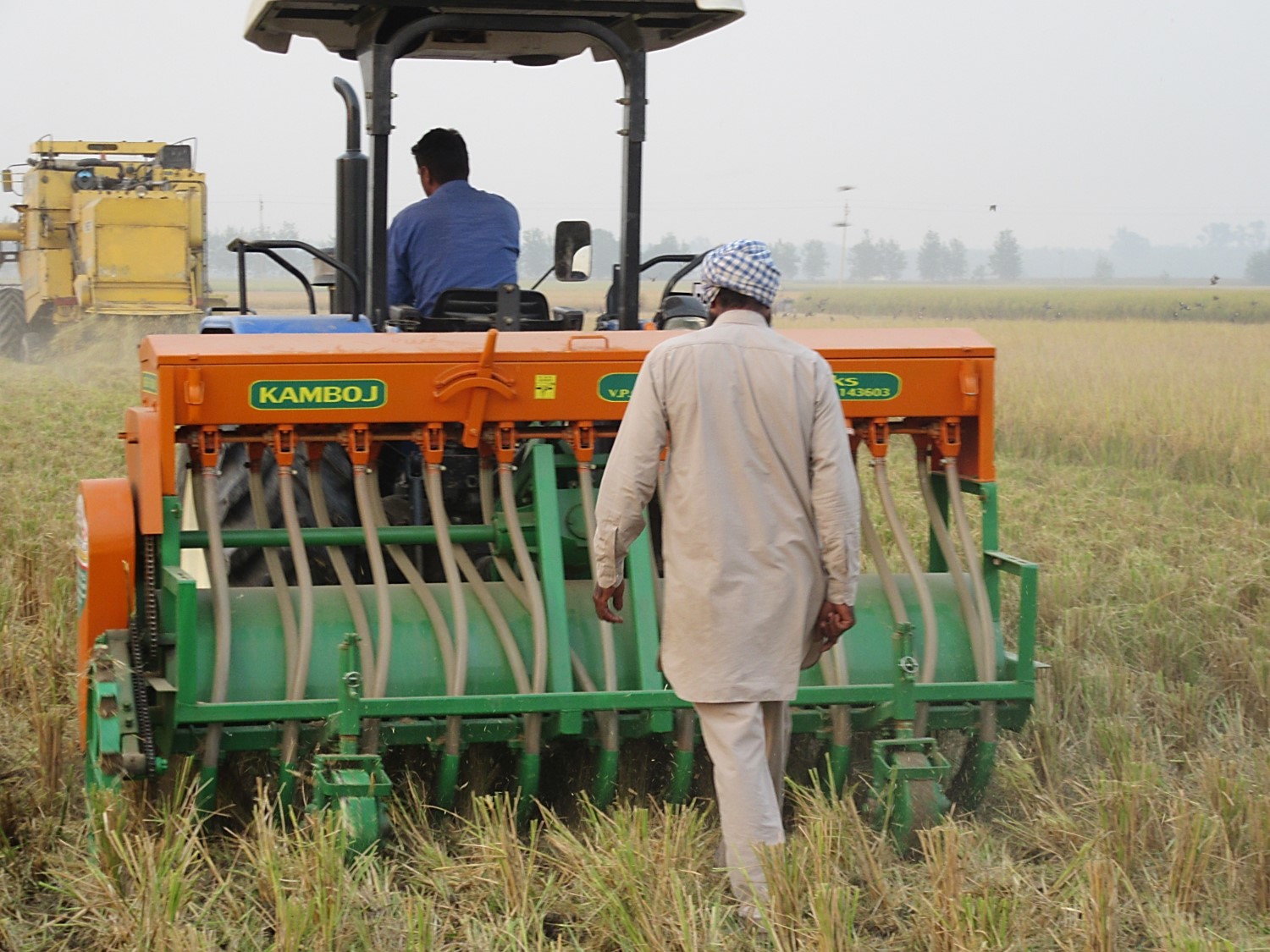
The research highlights the positive impact of government initiatives and awareness campaigns that promote sustainable farming practices. Programs encouraging zero tillage have equipped farmers with specialized seed drills and training, enabling them to adopt the technology effectively while maintaining crop yields.
Experts emphasize that the reduction in residue burning is a major step toward addressing seasonal air pollution, especially in northern India, where smog and particulate matter from burning crop residues have long posed serious health risks. “Zero tillage is not only beneficial for the environment but also for the farmers, as it reduces labor, fuel costs, and soil degradation while contributing to cleaner air,” said an agricultural scientist involved in the study.
In addition to environmental benefits, zero tillage also supports climate-resilient agriculture by enhancing soil fertility and retaining moisture. Farmers practicing no-till methods have reported better soil health, reduced erosion, and more efficient use of inputs like fertilizers and water.
The findings underscore the importance of scaling up zero tillage adoption across India. With the dual benefits of reducing air pollution and enhancing farm sustainability, zero tillage represents a practical and impactful solution to the long-standing problem of crop residue burning.
As India continues to focus on sustainable agricultural practices, initiatives like zero tillage offer hope for a cleaner environment, healthier communities, and a more resilient farming sector.

 By
By