

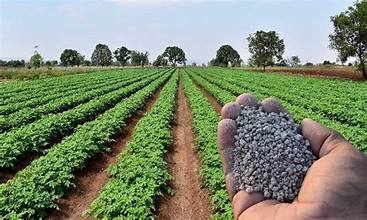
A growing global fertiliser crisis, triggered by escalating geopolitical tensions in the Middle East—particularly the ongoing conflict involving Iran—is raising serious concerns about food security worldwide. Experts warn that disruptions in fertiliser supply chains could significantly reduce agricultural productivity, especially in developing regions across Asia and Africa.
At the heart of the crisis lies the strategic Strait of Hormuz, a critical maritime route through which a substantial share of the world’s fertiliser and energy supplies pass. Ongoing conflict has disrupted shipping through this corridor, delaying fertiliser exports and driving up global prices. According to international agencies, a large portion of global urea and ammonia—key components for crop nutrition—relies on this route, making the disruption particularly severe.
The impact is already being felt across farming communities worldwide. Fertiliser prices have surged by 30–40% in recent weeks, forcing many farmers to reduce usage or delay planting decisions. This is especially alarming as fertilisers are essential for maintaining crop yields. Without adequate application, productivity declines sharply, directly affecting food supply chains and market stability.
Developing countries are the most vulnerable in this unfolding crisis. Nations in South Asia and sub-Saharan Africa, which depend heavily on fertiliser imports from the Gulf region, face the highest risks. Limited financial resources and weaker agricultural infrastructure make it difficult for farmers in these regions to absorb rising costs or find alternative inputs. As a result, lower fertiliser use could lead to reduced harvests, increasing the likelihood of food shortages and price spikes.
International organizations, including the United Nations and the Food and Agriculture Organization (FAO), have warned that the fertiliser shortage may have a more immediate and severe impact than even rising energy prices. Fertilisers are directly linked to food production cycles, and any disruption during critical planting seasons can have long-lasting consequences.
The crisis is also affecting developed economies. Farmers in countries like Australia and the United States are facing soaring input costs and supply uncertainty, forcing them to reconsider crop planning and reduce acreage. However, the consequences in wealthier nations are likely to be economic—such as higher food prices—rather than humanitarian.
Experts caution that if the situation persists, it could trigger a broader global food crisis. Reduced crop yields, combined with already fragile supply chains and climate-related stresses, may push millions more people into food insecurity. The global food system, heavily dependent on stable fertiliser supply, is now facing one of its most critical stress tests in recent years.
To mitigate the crisis, policymakers are exploring alternative supply routes, increasing domestic fertiliser production, and providing subsidies to farmers. However, long-term solutions will require structural changes, including diversification of supply sources and investment in sustainable fertiliser technologies.
In conclusion, the fertiliser crisis underscores the deep interconnection between geopolitics and food systems. As tensions continue to disrupt critical supply chains, ensuring timely access to fertilisers will be essential to safeguarding global food security—particularly for the world’s most vulnerable populations.


 By
By











